
The Woman Nobody Talks About (But Everyone Should)
You know how some people become famous just by existing in the right zip code?The precise reverse was done by Elizabeth Anne Millsap. She basically raised four kids on one of America’s most-watched sitcoms for nine straight years, then quietly disappeared into Tennessee like it was all no big deal. But here’s the thing—there’s actually a lot to unpack about what it means to be the invisible parent in a highly visible family.
Quick Bio
| Detail | Information |
| Full Name | Elizabeth Anne Millsap (now Elizabeth Grace Gini) |
| Birth Year | Not publicly confirmed |
| Birthplace | Texas (likely Brownwood area) |
| Known For | Mother of Sweeten siblings from Everybody Loves Raymond |
| Acting Credits | Casting (2017, short film) |
| First Marriage | Timothy Lynn Sweeten (writer/producer) |
| Children (First Marriage) | Madylin, Sawyer, Sullivan, Maysa |
| Second Marriage | Jerry Gini (2017) |
| Children (Second Marriage) | 4-5 additional children |
| Current Location | Tennessee |
| Public Presence | Minimal/Private |
The Quiet Beginning: Before the Cameras Started Rolling
Not much is known about Elizabeth’s early years, and honestly, that’s kind of refreshing. In an era where influencers live-stream their breakfast, here’s someone who deliberately kept her childhood completely under wraps. She grew up in Texas, developed an interest in creative work, and somehow managed to avoid the social media circus entirely.
The thing that strikes you about her early life is how deliberately ordinary it seemed to be. She wasn’t a stage mom desperately pushing her kids toward stardom. She had creative interests herself—enough to pursue some acting—but never made it a career obsession. That’s actually the difference between Elizabeth and so many other parents in Hollywood. She tried the industry, decided it wasn’t her primary focus, and just… moved on.
In the early 1990s, she married Timothy Sweeten, a writer and producer known for documentary work. They built a family together: Madylin arrived first in 1991, then the twins (Sawyer and Sullivan) in 1995, and finally Maysa. By most accounts, they were living a relatively normal family life in Brownwood, Texas. That all changed when casting directors came calling.
See also “E-40 Net Worth: The Bay Area Billionaire Who Never Got His Flowers“
The California Dream (And It’s Real Costs)
The Sweeten family relocated to Los Angeles when Sawyer and Sullivan were just six months old. Think about that for a second. Not after they were established in school. Not when they were old enough to understand what was happening. They packed up and moved while the twins were still babies.
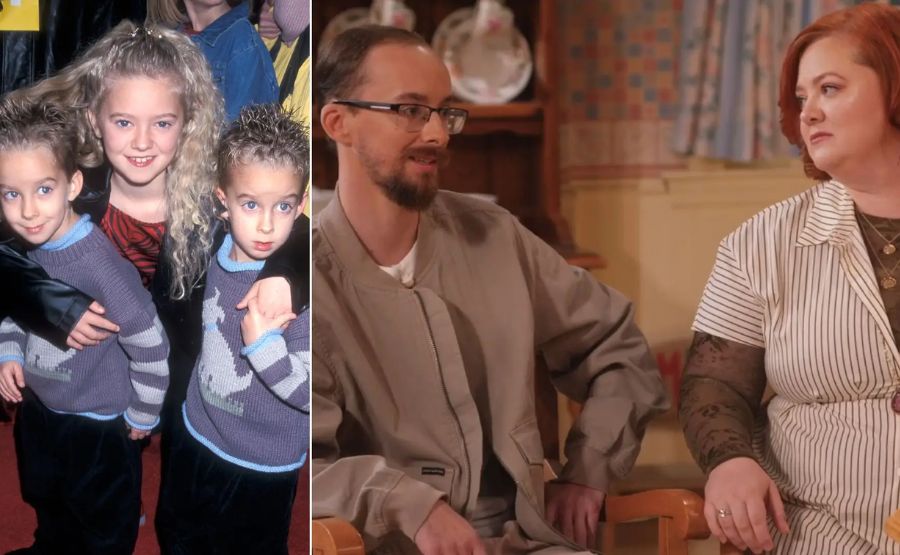
What followed was genuinely unprecedented in parenting. Madylin started appearing in auditions almost immediately. By age five, she landed the role of Ally Barone on Everybody Loves Raymond. But then—and this is the wild part—her actual brothers got cast on the exact same show. At 16 months old, Sawyer and Sullivan became television regulars.
Here’s where Elizabeth’s contribution gets interesting: managing that kind of childhood requires a different level of parenting. Most parents deal with one child having soccer practice. Elizabeth was managing Hollywood call times, scripts, and nine seasons of a major network sitcom—with three kids simultaneously. The show ran from 1996 to 2005. During those nine years, she was essentially running a one-woman child-star operation.
Madylin appeared in 206 out of 210 episodes. The twins showed up in 142 episodes, though their roles were largely silent because, well, they were literally toddlers when they started. By the time the show ended, the twins were nine years old. They’d never known a life without cameras. That’s not a childhood—that’s a situation.
Elizabeth’s parenting philosophy during this era seemed straightforward: keep them grounded. Make sure they stay connected to their siblings off-set. Maintain some semblance of family normalcy while their image was being broadcast to 30 million people per episode at the show’s peak. That’s not exactly something they teach you in parenting classes.
The Acting Cameo (Yes, She Had One)
In 2017, Elizabeth appeared in a short film called Casting. Literally one credit. That’s it. That’s the entire acting portfolio of someone whose life has been lived around Hollywood for over two decades.
{important} This shows she had the opportunity and connections to pursue more acting roles, but deliberately chose not to. She saw the industry from the inside and clearly made a conscious choice about what kind of life she wanted.
It’s actually a more powerful statement than she probably realizes. In an industry where everyone’s fighting for their next role, she just… opted out. She showed her kids what it looks like to have boundaries with fame. That’s honestly more valuable than a filmography.
When Everything Falls Apart
Elizabeth and Timothy’s marriage ended. The timing wasn’t publicly disclosed—just noted as “an unspecified date.” You’ve got to respect the privacy aspect of that announcement. No press tour, no damage control, no public scorekeeping over who wronged whom.
After the divorce, she focused on her kids with what appears to be laser-focused intensity. She was managing a single-parent household of four while still supporting their television careers. Then, life threw something that no parent should ever have to endure.
At the age of 19, Sawyer Sweeten committed suicide on April 23, 2015.He was visiting family in Texas when it happened. He was literally two weeks away from his 20th birthday.
Let’s not minimize this with polite language: a 19-year-old who grew up on camera, who had experienced intense success as a child, who struggled with depression and ADHD, took his own life. And Elizabeth lost a son.
The Part Nobody Talks About: What Happens After
Here’s where Elizabeth’s story gets genuinely interesting. She didn’t retreat. The family didn’t act as though it hadn’t occurred.Instead, Madylin—Sawyer’s older sister—spoke publicly about her brother’s struggles. She talked about his sensitivity, his kindness, his silent battles with mental illness.
The family became advocates. Not in a performative way. In a “we’re going to turn our personal devastation into systemic change” kind of way.
They supported the establishment of Sawyer’s Playhouse, an intimate 35-seat theater space in the NoHo Arts District of Los Angeles, dedicated to Sawyer’s memory. They worked with the National Suicide Prevention Lifeline. They designed and sold memorial t-shirts annually, with proceeds going to prevention organizations. They made it clear that Sawyer’s legacy wouldn’t be his death—it would be the help that comes from talking about what killed him.
That’s not something Elizabeth could have prevented, but it’s something she helped transform into meaning.
The Second Act: Starting Over
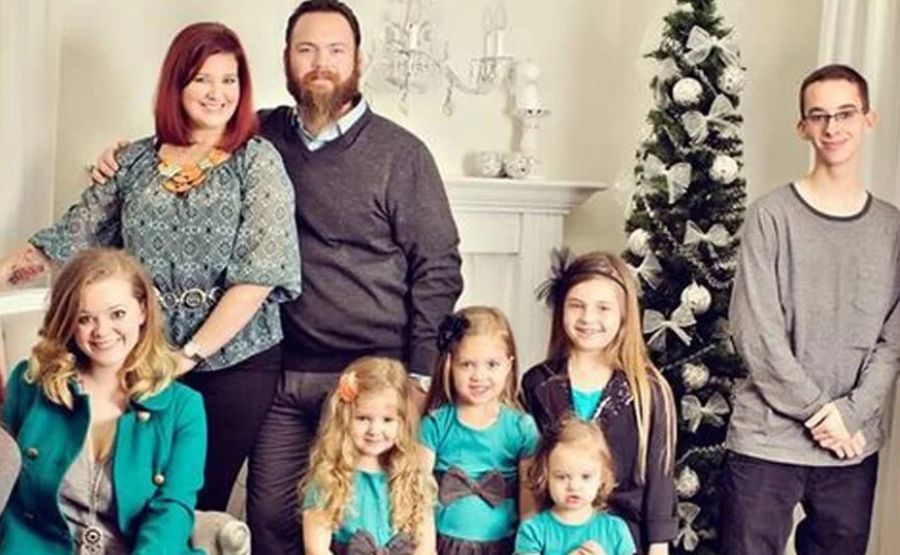
After the dust settled, Elizabeth found love again. She married Jerry Gini, and they formalized their relationship in 2017. Here’s the thing: they’d actually been together for years before the wedding. She had more children with him—some sources say four, others say five. A second marriage that expanded the family significantly.
When they wed, Jerry legally adopted her children from the first marriage. That’s not just a legal formality. That’s a family restructuring. That’s saying, “This person is now their parent too.” Elizabeth went from being a single mom raising four kids mostly alone to having a partner who stepped into that role completely.
She changed her name from Elizabeth Anne Millsap to Elizabeth Grace Gini. And then she went quiet.
Like, actually quiet. No Instagram. No appearances at award shows. No celebrity podcast interviews. She just… picked Tennessee and a private life. After decades of Hollywood periphery, she chose obscurity. Not in a bitter way that reads like a tell-all book waiting to happen. In a “I’m genuinely done with this” kind of way.
The Invisible Role Model
Here’s what bothers me about how we talk about famous families: we obsess over the kids who became actors. We follow their careers, judge their choices, debate their performances. We basically ignore the parent who kept that entire operation functioning.
Elizabeth Anne Millsap didn’t become an A-lister. She didn’t parlay her Hollywood connections into a major career. She did something way harder: she raised four kids, three of whom experienced intense childhood fame, and she did it with enough stability that they all survived the experience without complete destruction.
Madylin’s post-Everybody Loves Raymond journey included some struggles (substance use, identity crisis), but she got through it. She found a theater. She found a partner who grounded her. She’s got a kid now and a furniture design career. She survived child stardom relatively intact.
Sullivan quietly stepped away from acting and has stayed private. He appeared at the 2025 Everybody Loves Raymond reunion and spoke about his brother and mental health advocacy. He built a life without cameras.
Maysa works in production. She keeps her distance from public life. She’s exactly who you’d want a former child actor to become: someone with a normal job, a private existence, and boundaries.
That’s not an accident. That’s the result of a parent who understood that fame wasn’t the goal. Stability was.
The Mental Health Piece (Because It Matters)
Sawyer’s death opened up conversations that the family continues to have publicly. During the 2025 Everybody Loves Raymond reunion special, both Madylin and Sullivan spoke candidly about losing their brother, about mental health, about the pressure young performers face.
Elizabeth didn’t do media tours. She didn’t hire a publicist to manage her grief. But she stood behind her children’s advocacy work. She supported theater restoration projects. She was a quiet presence in the process of turning tragedy into purpose.
That’s a specific kind of strength. It’s not the strength you see on red carpets. It’s the strength of showing up, day after day, for people who are grieving alongside you.
Living Proof That You Don’t Need Fame to Matter
This is where the internet gets weird about celebrity families. We want the story to be about famous kids. We want the parents to either be over-the-top stage mothers or completely absent. We don’t know what to do with parents who just… did their job well.
Elizabeth Anne Millsap didn’t write a parenting book. She doesn’t give motivational speeches. She never started a brand around her children’s success. She just managed an extraordinarily complicated situation with three kids on the set of a major television show while maintaining their mental health, sibling relationships, and sense of reality.
Does that sound boring? It probably is. It’s supposed to be.
The cultural obsession with celebrity parents who weaponize their kids’ fame or leverage it for their own careers is strong. The countercultural move is doing what Elizabeth did: make the kids’ wellbeing the priority, not the byproduct.
The Tennessee Years: Privacy as a Radical Act
She lives in Tennessee now. She has a bigger family. She doesn’t post on social media. When people search for her, they get limited information. That’s not tragic. That’s intentional design.
In an era when every private moment becomes content, Elizabeth chose something different: actual privacy. Not the curated privacy of influencers who post about their “me time.” Actual privacy where you’re not performing your life for anyone.
That decision tells you something about how she views the world. She participated in an industry that demands constant visibility, then she exited completely when she had the choice. She’s not bitter about it (no tell-all books, no reveal interviews). She’s just… gone.
What We Can Actually Learn From This
The Sweeten family story is uncomfortable because it doesn’t fit the narratives we’re comfortable with. It’s not a tragedy that leads to redemption through book deals. It’s not a success story where the parent becomes more famous than the kids. It’s not a cautionary tale about exploitation.
It’s just… parenting. Complicated parenting. Parenting while your kid’s childhood is being broadcast nationally. Parenting through divorce. Parenting through the aftermath of suicide. Parenting through grief.
Elizabeth Anne Millsap did it without Instagram posts about her struggles. Without a TED talk. Without monetizing any of it.
That’s increasingly rare. And increasingly important.
FAQs
1. Is Elizabeth Anne Millsap still alive?
Yes, she’s currently living in Tennessee. As of 2026, she maintains a private lifestyle with minimal public presence.
2. Why doesn’t she do interviews?
She has always prioritised her privacy over attention from the public.This appears to be a deliberate boundary she set, particularly after her family’s tragedy.
3. How many children does she actually have?
She has four biological children with Timothy Sweeten (Madylin, Sawyer, Sullivan, Maysa) and 4-5 additional children with Jerry Gini. Her family grew significantly through her second marriage.
4. Did she ever act professionally besides that one short film?
Her main acting credit is Casting (2017). She may have had other minor roles, but acting was never her primary focus professionally.
5. What was her role on Everybody Loves Raymond?
She wasn’t a cast member. She was a parent managing three child actors on set simultaneously. Her contribution was behind-the-scenes parenting, not on-screen performance.
6. How did she handle the transition when the show ended?
No public record exists of her talking about this. Her children experienced various transitions—Madylin continued acting intermittently, the twins struggled with the loss of regular work, Maysa moved into production roles.
7. Did Sawyer’s death change her life?
Yes, profoundly. The family pivoted toward mental health advocacy, theater restoration, and suicide prevention awareness. Her support for these efforts became a central part of her public legacy.
8. What’s her relationship like with her surviving children now? A
Details are private, but Madylin has spoken publicly about the family’s continued mental health advocacy. Sullivan appeared at the 2025 reunion special. Maysa maintains a private life. All appear to remain close.
9. Did she ever remarry after Timothy?
Yes, she married Jerry Gini in 2017. He legally adopted her children from her first marriage.
10. What does she do in Tennessee?
There’s no public information about her current professional activities. She appears to focus on family and private life.
11. Why is she so hard to find on the internet?
She deliberately maintains minimal online presence. She’s not on major social media platforms and has avoided media interviews. This appears to be intentional.
12. Did she ever speak publicly about Sawyer’s death?
Not extensively in interviews. She supported her children’s advocacy efforts and allowed them to speak publicly, but maintained her own privacy regarding personal grief.
13. Is she involved in the mental health advocacy work the family does?
She supports efforts like Sawyer’s Playhouse and doesn’t oppose her children’s mental health advocacy, but she doesn’t do interviews or public appearances for these causes.
14. How much money does she have?
Her net worth is not publicly disclosed. Financial information about her current status is unavailable.
15. Will she ever write a memoir?
There’s no indication of this. Based on her consistent preference for privacy, it seems unlikely.
Keep discovering, connecting, and thriving with The Nexus Magazine every day.