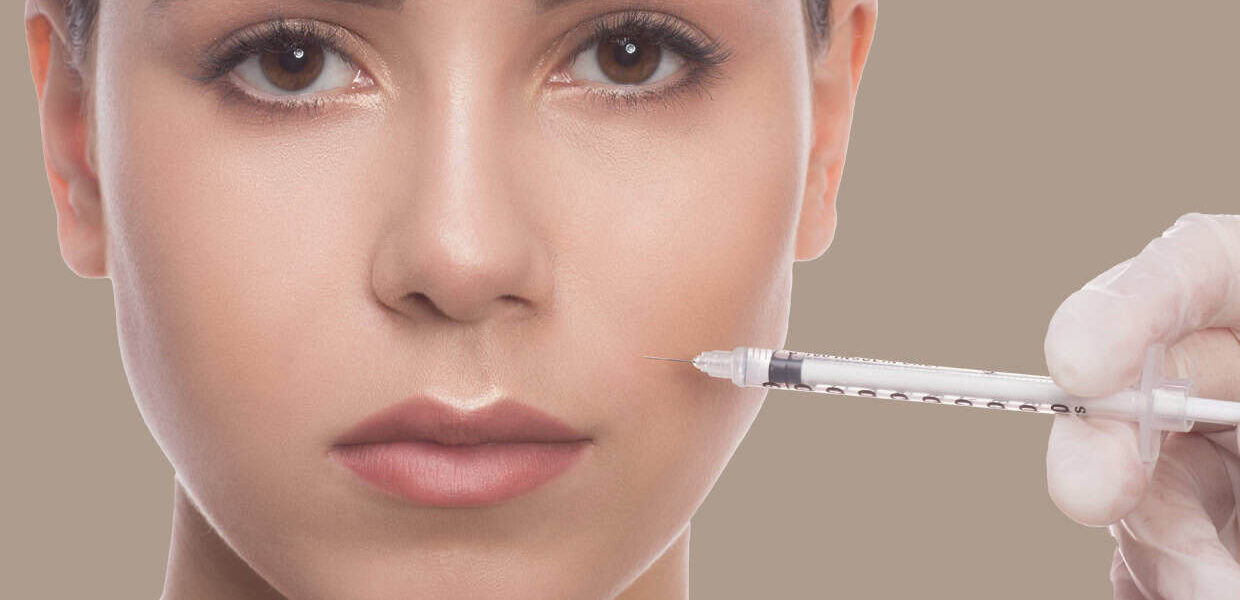
What Are Polynucleotide Injections? A Guide to the Skin-Regenerating Treatment Everyone’s Talking About

If you’ve spent any time in a London skin clinic waiting room lately, you’ve probably overheard someone mention “salmon DNA facials” or seen polynucleotides listed alongside more familiar names like Profhilo and dermal fillers. What used to be a niche treatment favoured by dermatologists in Korea and Italy has become one of the most requested skin boosters in the capital — and for good reason.
Unlike fillers, which add volume, or Botox, which relaxes muscles, polynucleotide injections work with your skin’s own repair processes. Here’s what they actually are, how they work, and what to expect if you’re considering them.
What exactly are polynucleotides?
Polynucleotides are chains of nucleotides — the building blocks of DNA — extracted from the milt (reproductive tissue) of salmon or trout. Once purified, filtered and sterilised to a medical-grade standard, they’re left as highly biocompatible fragments that the human body recognises and readily accepts, since DNA structure is remarkably similar across species.
Once injected into the skin, these fragments don’t behave like a typical dermal filler sitting under the surface. Instead, they integrate into the tissue and get to work stimulating the cells around them, which is why the results tend to look and feel like your own skin, only healthier.
How do they work?
The key mechanism is fibroblast stimulation. Fibroblasts are the cells responsible for producing collagen and elastin — the proteins that keep skin firm, plump and elastic. As we age, fibroblast activity slows down, which is a big part of why skin loses structure and hydration over time.
Polynucleotides essentially wake these cells back up. They encourage collagen and elastin synthesis, improve the skin’s ability to hold onto moisture, and support faster, cleaner tissue repair. They also carry antioxidant and anti-inflammatory properties, which is why the treatment is often recommended for skin that’s been through recent laser work, breakouts or general environmental stress.
What can polynucleotide treatments actually improve?
Clinically, polynucleotides are used to address:
- Fine lines and early wrinkles
- Loss of skin elasticity and firmness
- Sun damage and uneven skin tone
- Dehydrated, dull or tired-looking skin
- Rough or textured skin
- Acne scarring and post-inflammatory marks
- Under-eye hollowing and dark circles
- Skin recovery after other aesthetic procedures
They’re versatile enough to be used beyond the face too, with treatment areas including the neck, décolleté, hands and body — anywhere skin quality has started to slip rather than just volume.
What to expect during treatment
A typical session takes around 30 to 40 minutes and is carried out using purified, medical-grade polynucleotide formulations, administered as a series of fine micro-injections across the treatment area. There’s little to no downtime — you might see some mild redness or slight swelling, but this usually settles within a day or two, making it an easy treatment to fit around a working week.
Most clients need a short course of two to three sessions, spaced two to four weeks apart, to see the full benefit. Early improvements in hydration and glow are often visible within days, while collagen-driven changes to texture and firmness build gradually over several weeks. Results typically last between six and twelve months, and can be extended with occasional maintenance sessions.
Is it right for you?
Because the treatment works with your skin’s own biology rather than altering its shape, polynucleotides suit a wide range of skin types and concerns — from those in their twenties wanting to get ahead of early ageing, to more mature skin that needs a genuine boost in quality rather than added volume. It also pairs well with other treatments such as microneedling, laser therapy or light-based skin resurfacing, for a more complete approach to rejuvenation.
If your skin feels tired, dehydrated or simply not as resilient as it used to be, polynucleotides are worth discussing at your next consultation — it’s a treatment built around repair, not disguise. As with any injectable, results depend heavily on the practitioner, so it’s worth choosing a clinic with genuine experience in the treatment. In London, Oblique is one such clinic, offering polynucleotide injections as part of its skin rejuvenation menu.
