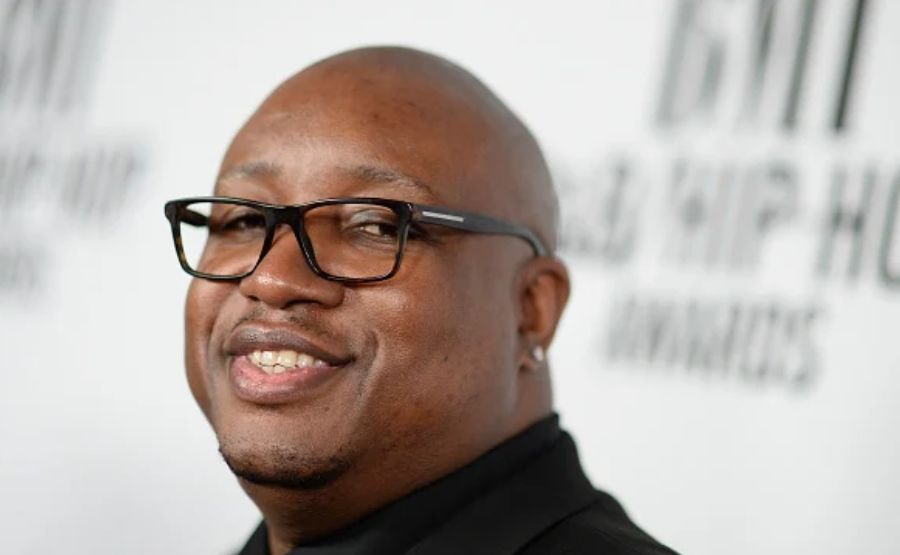

Let’s begin with a fact that no one wants to publicly acknowledge. Earl Stevens — the man the world calls E-40 — built a multi-million dollar empire while most hip-hop fans were still arguing about whether he was relevant. That’s the joke on them. He wasn’t trying to stay relevant. He was busy building a beverage company, investing in tech startups, and stacking assets while everyone else was making TikToks.
E-40’s net worth in 2025? Somewhere between $10 million and $15 million, depending on which source you trust. Celebrity Net Worth says $10 million. Other estimates push it to $12–15 million when you factor in his expanding liquor empire and real estate. Nobody’s got an exact number. But the gap between “$8 million” and “$15 million” tells you something — this man’s got more moving parts than people realize.
Quick Bio
| Detail | Info |
| Real Name | Earl Tywone Stevens Sr. |
| Born | November 15, 1967 |
| Birthplace | Vallejo, California |
| Education | Hogan High School (Class of ’85); Grambling State University (1 year) |
| Stage Name | E-40 |
| Spouse | Tracey Stevens (married 1991) |
| Children | Earl Jr. (Droop-E), Emari (Issue), Da’Zha Stevens |
| Record Label | Sick Wid It Records (founded) |
| Net Worth (2025) | $10M–$15M (estimated) |
| Primary Income | Music, beverage brands, tech investments, real estate |
Vallejo Raised Him Differently
Nobody hands you anything in Vallejo. E-40 grew up watching his mother work multiple jobs after his parents split. She’d come home exhausted on weekends, pour a glass of Carlo Rossi wine, put on the O’Jays, and sometimes cry. The kids would just hug her. That image stuck with him.
He wasn’t supposed to be famous. He was just Earl from the housing projects. But something clicked early — he noticed everything. Language. Patterns. How money moved. Those instincts turned a kid from Northern California into one of the most copied (and uncredited) voices in hip-hop.
He went to Grambling State University in Louisiana for one year. Then dropped out to chase music. Good call, in hindsight.
See also “Danna Lynn Blocker: The Ghost in the Blocker Family Photo“
The Hustle Before Anyone Was Watching
Here’s what doesn’t get talked about enough. Before streaming, before social media, before any of that — E-40 was literally selling cassette tapes out of his car trunk. That’s not a metaphor. That’s how it worked. He’d drive around the Bay, hand-selling his own music, building a fanbase one transaction at a time.
He watched Too $hort do it. He studied the blueprint. Then he built his own label — Sick Wid It Records — around 1989-1990. His family group, The Click (which included his sister Suga-T, brother D-Shot, and cousin B-Legit), dropped music through that label before most people in hip-hop even understood what independent meant.
“Captain Save a Hoe” put The Click on the map nationally in 1993. It was raw, it was regional, and it was everywhere. The Bay Area had arrived.
1995 Changed Everything
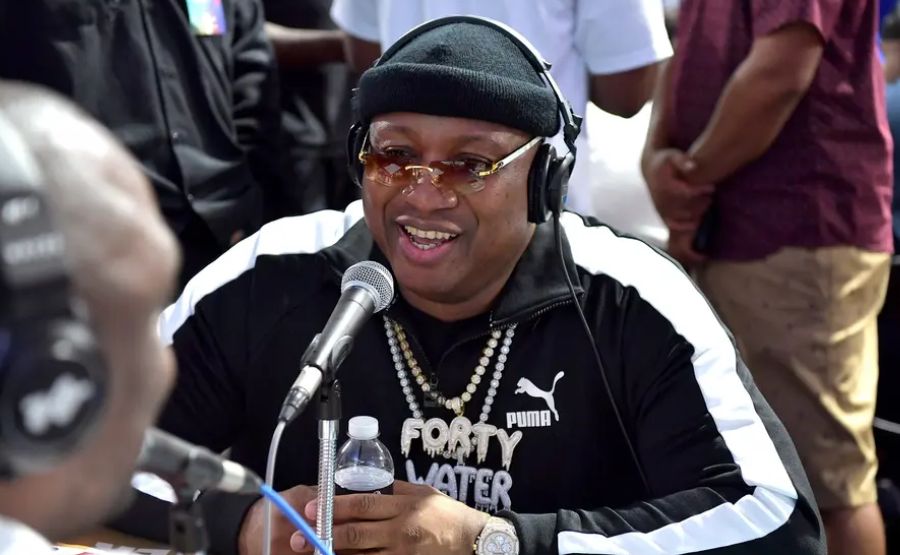
His solo album In a Major Way dropped in 1995 under a deal with Jive Records. It went platinum. Half a million copies. For a dude from Vallejo who started by selling tapes out of his trunk — that’s the American dream, right there.
Then came Tha Hall of Game in 1996. Gold. The Element of Surprise in 1998. That debuted at #13 on the Billboard 200. This man was hitting consistently, album after album, while maintaining full creative control through his own label infrastructure.
But here’s the thing people miss: he wasn’t just chasing chart positions. He was building leverage. Every deal he made, every album he dropped, he was learning the business side. He wasn’t signing away publishing. He wasn’t giving masters away for pennies. He was paying attention.
The Slang Inventor Nobody Credits
You want to talk about intellectual property theft? Look at how the entire country absorbed Bay Area slang and then acted like it came from nowhere. Words E-40 popularized — scrilla, broccoli, fonk, gased up, fedi — became part of everyday speech without a single royalty check going back to Vallejo. That’s culture extraction in real time.
His slang vocabulary got so extensive that he’s been working on E-40’s Book of Slang since 1998. Published by Warner Books. Still hasn’t dropped as of 2024. Either it’s the longest manuscript in history, or publishing is really just that slow. Either way, the man is a New York Times bestselling author, which is wild for a rapper from Northern California who started by selling cassette tapes.
2006: Mainstream Attention, Finally
“Tell Me When to Go” featuring Keak da Sneak. That’s the song that made the wider world pay attention. It charted at #35 on the Billboard Hot 100. Then “U and Dat” with T-Pain hit #13. His album My Ghetto Report Card was his most commercially successful in years.
He was 38 years old. Most rappers are considered washed by then. E-40 was charting for the first time in a decade. That’s not a comeback — that’s consistency paying off on a delay.
He’s now released over 27 studio albums. Twenty-seven. That’s more than most artists release in a career that spans half the time. And some of them are actually good. Not just technically competent — genuinely good.
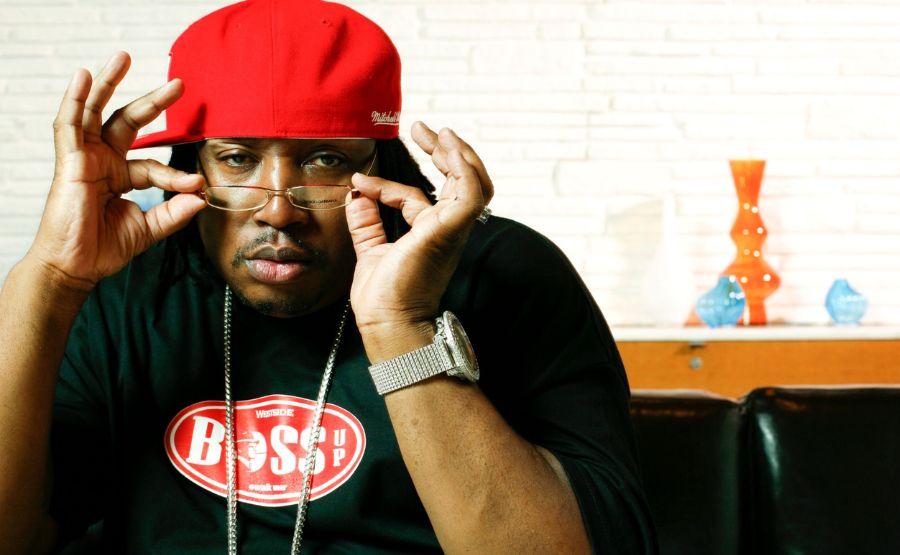
The Beverage Empire: This Is Where The Real Money Lives
Okay. This is the part that matters most for the net worth conversation.If you have a master’s degree, music pays highly. But beverages? Beverages print money at scale.
In 2013, E-40 launched Earl Stevens Selections — his wine label. I grew up near Napa Valley. Had a thing for Carlo Rossi as a kid. Decided if Robert Mondavi and Kendall-Jackson could build wine empires, so could Earl Stevens.
He started selling online. Demand built. A distributor noticed. Then Southern Glazer’s Wine & Spirits — one of the largest distributors in the country — came calling. The brand went from distribution in 17 states to 41 states.
His wines have won gold medals. His Prosecco DOC scored 92 points at the Las Vegas Global Wine & Spirits Awards. His Prosecco Rosé DOC got 93. These aren’t just celebrity novelty products. They’re legitimately rated.
Then he expanded. Aggressively.
- E. Cuarenta Tequila (and a cerveza to match)
- Tycoon Cognac and Tycoon Vodka
- Kuiper Belt Bourbon — Kentucky aged, 8 years
- Kuiper Belt Gin
- Sluricane — pre-mixed cocktails inspired by a Click song
- ON1 Moscatos — fruit-infused, 16% ABV
- Cali-Mocho — his take on Spain’s famous wine-cola cocktail
- Goon With The Spoon — a food brand with sausages, burritos, and ice cream
Over 15 individual wine offerings. Five full spirit brands. A beer. A food line. This isn’t a side hustle. This is a separate company. His holding company, Interactions and Transactions Inc., is a 100% Black-owned California S-Corporation he founded in 2013. It holds trademarks and intellectual property across the entire portfolio.
He said it himself: same hustle, different product. Selling tapes from the trunk of a car. Selling wine online before distributors believed in you. The DNA is identical.
Tech Investments Nobody Talks About
Here’s something that keeps getting buried. E-40 is a tech investor. Has been since around 2016.
His connection to Chamillionaire opened the door. Chamillionaire, for those who don’t know, is one of the most successful rapper-turned-investors in history — early money in Ring (sold to Amazon for $1 billion), Maker Studios (sold to Disney), Lyft, Cruise. He built a portfolio most VC firms would respect.
E-40 got into the syndicate with Chamillionaire. By 2021, he had stakes in 45-48 startup companies. He was an early investor in Clubhouse when it was just getting started — it was valued at a billion within months. He also invested in Convoz, Chamillionaire’s social app.
He invested in Microsoft. He admitted publicly he should have invested in Apple instead. Which, honestly, is relatable.
He also co-hosted a $100,000 pitch competition with Chamillionaire and Shark Tank’s Daymond John, specifically to fund minority and women-founded startups. That’s not a PR move. That’s someone putting real capital behind a real belief.
The man is 45-48 companies deep in startup investments. Most people his age in hip-hop are still trying to land brand deals with snack companies.
The Restaurant Phase
He did the franchise thing before it was cool for rappers. Opened a Fatburger location in Pleasant Hill, California with former NFL player Chester McGlockton. That one closed.
Then in 2007, he signed a franchise agreement with Wingstop to open a location in Benicia, California. He said he got introduced to Wingstop in Dallas and got hooked immediately. He chose the Bay Area because that’s his soil — born there, still lives there.
He also opened Ambassador’s Lounge, a nightclub in Downtown San Jose. That’s also closed now. Not every business wins. The ones that worked out more than covered the ones that didn’t.
Real Estate, Cars, The Life
He owns property in California. Reports mention homes in Vallejo and Danville — he currently lives in Danville with his wife Tracey, married since 1991. That’s 30+ years. In rap. Remarkable.
The car collection is what you’d expect — luxury vehicles, the trappings of Bay Area royalty.
His kids are in the game too. Droop-E (Earl Jr.) is a producer and rapper. Emari (Issue) raps. Da’Zha Stevens is the third kid. Music is apparently genetic in the Stevens household.
The Fame Question: Did Hip-Hop Sleep on E-40?
Yeah. It did.
E-40 influenced southern rap more than most southern rappers will admit. The cadence, the wordplay, the slang architecture — you can hear his fingerprints on everything that came out of Atlanta in the late ’90s and 2000s. He was bridging Bay Area and Southern sounds in 1997-98 while everyone was still treating those regions as separate universes.
He called himself “The Ambassador of the Bay.” That’s not ego — that’s documentation.
But fame has a weird relationship with money. He’s not Drake-famous. He’s not Kendrick-famous. He doesn’t need to be. His net worth is built on ownership, not streams or celebrity. That’s a more durable model than most artists ever figure out.
Bottom Line: What’s E-40 Actually Worth?
Conservative estimate: $10 million (Celebrity Net Worth). Aggressive estimate: $12–15 million once you factor in expanding beverage revenue, tech equity, real estate appreciation.
The liquor business alone — 15+ wine offerings, five spirit brands, distributed across 41 states through Southern Glazer’s — generates recurring revenue independent of any rap career. His financial circumstances differ from those of the majority of artists of his generation because of this.
He said once that building the beverage business was like selling tapes from the trunk. Same hustle. And if you watched him do the trunk thing in the ’80s and ’90s, you know how that story ended.
His real name is Earl Stevens. And Earl Stevens is getting money whether you’re paying attention to E-40 or not.
Final Words
The rap industry eats its own. Chews up artists, takes the catalog, leaves them broke at 50. E-40 saw that pattern in the early days and refused to participate in it.
He founded his label. He kept his masters. He diversified before diversification was a buzzword. He moved into food, beverages, tech, real estate — not because a manager told him to, but because he’s been studying how money moves since he was watching his mother cry on weekends in Vallejo.
The net worth number is interesting. The method is remarkable.
That’s the real story. And somehow, most of the internet is still sleeping on it.
FAQs
1. What is E-40’s net worth in 2025?
Most estimates land between $10 million and $15 million. Celebrity Net Worth puts it at $10 million; other analyses that factor in beverage empire growth and tech investments go higher, up to $12–15 million.
2. How did E-40 make most of his money?
Three main streams: his music career and label ownership, his beverage brand empire (Earl Stevens Selections, tequila, cognac, bourbon, etc.), and tech/startup investments. Music built the foundation. Beverages expanded it significantly.
3. Does E-40 own his own record label?
Yes. He founded Sick Wid It Records in 1989-1990 and has operated independently through it for most of his career. Owning the label means keeping a much larger share of revenue than a typical signed artist.
4. What are Earl Stevens Selections?
It’s his beverage company, founded in 2013. Officially called Interactions and Transactions Inc., it’s a 100% Black-owned California S-Corporation. It produces wines, tequila, cognac, bourbon, gin, pre-mixed cocktails, beer, and a food line. Distributed in 41 states through Southern Glazer’s Wine & Spirits.
5. Is E-40 a tech investor?
Yes, and a serious one. By 2021, he had stakes in 45-48 startup companies. He’s an early investor in Clubhouse, Convoz, and has co-hosted pitch competitions targeting minority and women-founded startups alongside Chamillionaire and Daymond John.
6. Did E-40 invest in Microsoft?
Yes. He’s confirmed this publicly. He also said he regrets not investing in Apple instead. Which honestly just makes him more relatable.
7. How many albums has E-40 released?
Over 27 studio albums as of 2025. He’s also done group albums with The Click and countless collaborations. By volume alone, he’s one of the most prolific artists in hip-hop history.
8. Is E-40 married? Does he have children?
Yes. He’s been married to Tracey Stevens since 1991 — over 30 years. They have children: Earl Jr. (who raps as Droop-E), Emari (Issue), and Da’Zha Stevens. Both sons are active in music.
9. What businesses has E-40 opened that didn’t succeed?
He had a Fatburger franchise in Pleasant Hill, California (now closed). He opened Ambassador’s Lounge nightclub in Downtown San Jose (also closed). Not every venture works. His wins more than compensate.
10. What is E-40’s biggest contribution to hip-hop culture?
Two things: pioneering independent rap distribution in the Bay Area before anyone had a playbook for it, and creating an entirely original slang vocabulary that shaped West Coast and Southern hip-hop for decades. The language thing is genuinely underappreciated.
11. Has E-40 won any major music awards?
The conventional award ceremonies have mostly ignored him, which contributes to the celebrity vs.wealth conversation so interesting. His cultural influence outpaces his mainstream recognition significantly.
12. Where does E-40 live now?
Danville, California, where he lives with his wife Tracey. He grew up in Vallejo and still reps it hard in his music and interviews. The Bay Area is non-negotiable for him.
Keep discovering, connecting, and thriving with The Nexus Magazine every day.