
Here’s something nobody tells you about Hollywood marriages — the person who gets left out of the story is often the most interesting one.
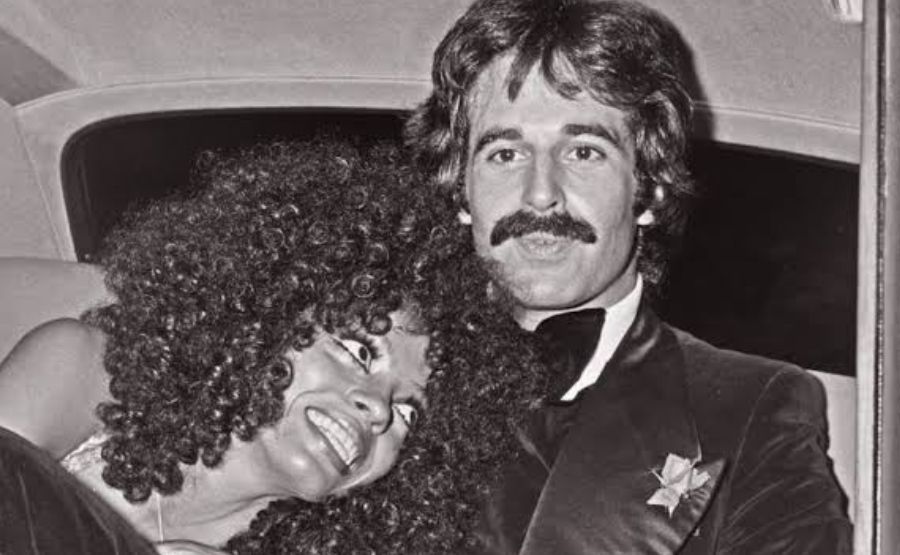
Robert Ellis Silberstein walked into a men’s gift shop in Los Angeles one day and walked out with his entire life changed. That sounds like the opening line of a rom-com. It kind of is. Except nobody made a movie about Bob. They made one about Diana.
And that’s the whole point.
Quick Bio
| Full Name | Robert Ellis Silberstein |
| Also Known As | Bob Ellis |
| Born | January 5, 1946 |
| Birthplace | Elberon, New Jersey, USA |
| Ethnicity | Jewish-American |
| Education | West Virginia University (teaching degree) |
| Occupation | Music Executive, Businessman |
| Ex-Wife | Diana Ross (m. 1971 – div. 1977) |
| Children | Tracee Ellis Ross, Chudney Ross, Rhonda Ross Kendrick (adopted) |
| Net Worth | ~$50 million (estimated) |
| Current Status | Remarried (wife: Susan); semi-retired |
A Rich Kid Who Chose His Own Path
Elberon, New Jersey. Look it up — it’s small, coastal, wealthy. His family ran a garment manufacturing business, the kind of background that sets you up for a comfortable, predictable life. Suits, fabric, profits. Safe.
Bob said no thanks.
He graduated from West Virginia University with a teaching degree. Then I actually tried teaching. Briefly. Then got into a fight with his boss. He quit and moved to Los Angeles. Just like that. A rich New Jersey kid with a teaching degree and zero music industry connections lands in California and decides he’s going to manage some of the biggest artists on the planet.
Honestly? Respect.
Not everyone with money has the guts to blow up their safe lane. Bob did. And what he built next is wildly underrated in how we talk about 1970s music.
See also “Preston Bezos: The Billionaire’s Son Who Refuses to Play the Game“
The Gift Shop Meeting That Changed Everything
Here’s where the story gets genuinely cinematic.
Diana Ross was shopping for a gift for her then-partner, Berry Gordy. She walked up to this guy in the shop and asked for suggestions. And she was taken aback — described him as “young, alive and very handsome.”
She was shopping for a present for another man. That other man was Berry Gordy — the founder of Motown Records, one of the most powerful figures in the music industry. And she met her next husband while doing it.
That’s not a detail you just walk past. That says something about how the world works. Love doesn’t wait for convenient timing.
They casually dated for about a year and a half before Silberstein gave her red pajamas to match a pair of his own, which was “the first time we realized we were a couple,” Diana told People. Red pajamas. Not diamonds. Not a grand gesture. Matching pajamas.
Sometimes the real love story is surprisingly domestic.
The Career That Everyone Forgets About
Let’s get something straight. Before anyone called Bob “Diana Ross’s husband,” he was building a genuinely impressive career as a music executive. Like, legitimately impressive.
In 1970, Robert Ellis Silberstein started working as a music manager full-time. Within that decade he had assembled a client roster that reads like a who’s-who fever dream.
Billy Preston. The man who played keyboards for The Beatles during Let It Be. Ronnie Wood of the Rolling Stones. Meat Loaf. Status Quo. And then — the one that really matters — Rufus. An American funk band. And while managing Rufus, Robert is best known for discovering the talented Chaka Khan (Yvette Marie Stevens). Khan was the main vocalist in the band. Under his management, the band won their fair share of Grammys.
He discovered Chaka Khan.
Say that again. Slowly. The man discovered Chaka Khan. One of the most technically gifted vocalists in the history of R&B. A Grammy-winning icon who influenced literally every female singer who came after her. And most people don’t even know Bob’s name.
That’s wild to think about. The industry is full of these invisible architects.
Under his guidance, Rufus became one of the most successful funk bands of the 1970s, with Khan’s powerful vocals leading the charge. Silberstein played a crucial role in nurturing Khan’s talent and helping her establish a successful solo career later on.
The solo career. The one that produced “I Feel For You.” The one that made Chaka Khan a household name. Bob helped build the runway for all of it.
And yet. Ask ten people who Robert Ellis Silberstein is. Nine will say “Diana Ross’s ex-husband.” One might not answer at all.
The Marriage. The Complication. The Humanity.
Okay, so let’s talk about marriage. Because it’s complicated in ways the gossip sites don’t fully sit with.
Diana married music executive Robert Ellis Silberstein, who was then managing her, while she was two months pregnant with Rhonda.
Stop. He knew. He knew that the baby Diana was carrying when they married was not his. He knew it was Berry Gordy’s child. Silberstein knowingly adopted her as his own.
That’s not a small thing. That is a man actively choosing to be a father to a child who wasn’t biologically his. Not reluctantly. Not transactionally. He gave Rhonda his last name. He raised her. He showed up.
Rhonda was publicly presented as the daughter of Ross and Silberstein, and he raised her. She was informed that Gordy was her biological father when she was 13. Kendrick has said that the revelation came as a relief. She was beginning to notice physical differences between herself and her younger sisters.
Thirteen years old and finding out your dad isn’t your biological father. That’s a lot to process. And yet by all accounts, Rhonda didn’t fall apart over it. She called it a relief — an answer to questions she’d been quietly carrying. She continued to see him as her real father, the man who raised her, protected her, and gave her his name.
Biology is one kind of fatherhood. Showing up every day is another kind. Bob chose the second kind, twice — with Rhonda, and then with his biological daughters Tracee and Chudney.
The Divorce That Didn’t Break Everything
They split in March 1977. Six years. Following their divorce, Silberstein said to People at the time that his connection with Diana was “almost too good to believe, like brother and sister.”
Almost too good to believe. That phrase gets me every time.
We live in a culture that’s obsessed with dramatic divorces. The messier the better. The legal battles. The social media shade. The tell-all books. Bob and Diana split and then became… friends. Close ones. The kind who co-parent with genuine respect and stay in each other’s lives without it being weird.
That’s harder than it sounds. Most people can’t pull that off. These two did.
And the kids noticed. This strong friendship was very important for their daughters. It created a safe and peaceful space for the girls to grow.
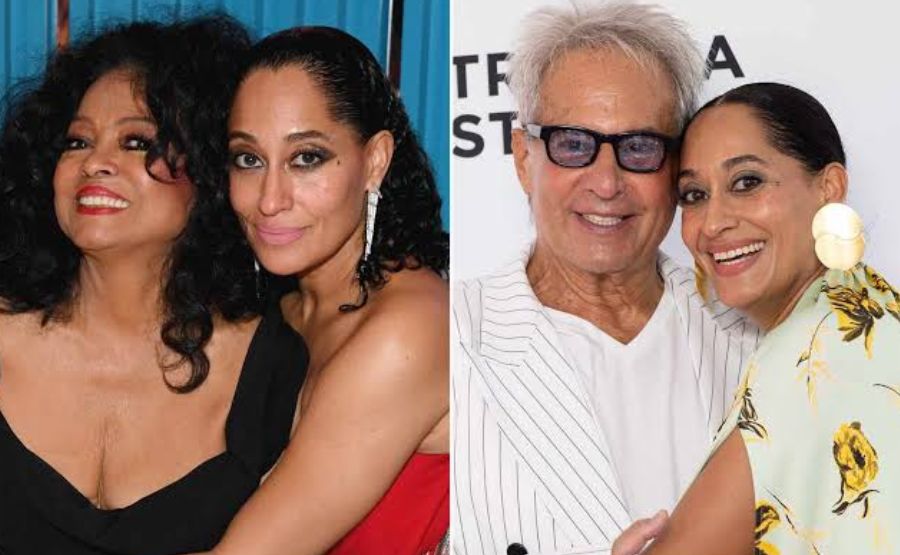
Tracee Ellis Ross: His Daughter, His Legacy
Here’s a fun fact about Tracee Ellis Ross that not enough people talk about.
Her full birth name? Tracee Joy Silberstein.
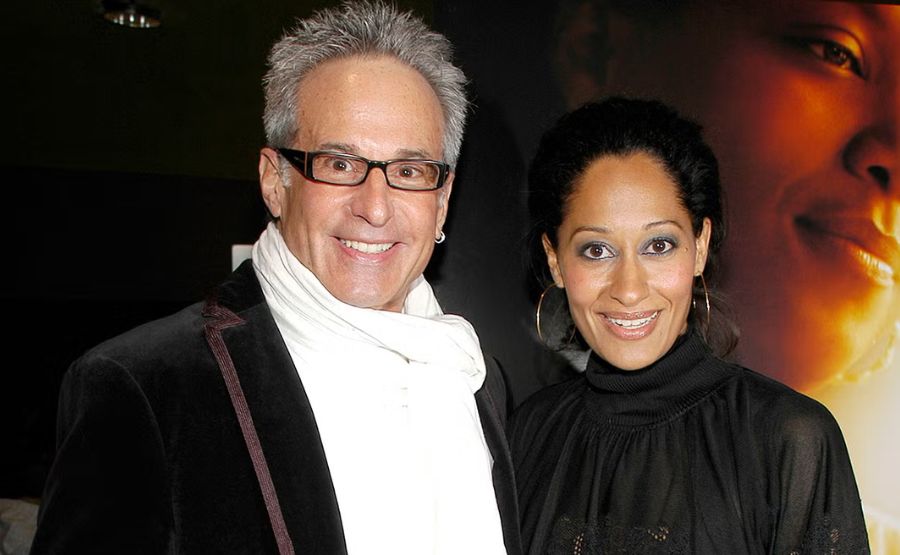
She was born Tracee Joy Silberstein, the daughter of music executive Robert Ellis Silberstein and legendary singer Diana Ross. Her father professionally used “Bob Ellis,” dropping the “Silberstein” surname. The family followed his lead.
Upon pursuing her acting career and becoming a member of the Screen Actors Guild, she found that another actress was already enrolled under the name “Tracee Ross.” She had to adjust to this professional contradiction. Rather than simply adding her father’s full surname back, Ross chose to incorporate “Ellis” from her father’s chosen name. The result — Tracee Ellis Ross — honors both Diana Ross and Bob Ellis.
Think about that for a second. The name “Ellis Ross” isn’t just a stage name. It’s a deliberate love letter to two parents. The “Ellis” is her father’s name. Hidden in plain sight. Millions of people say “Tracee Ellis Ross” and have no idea they’re partially saying Bob’s name every single time.
“My nose, my quirky disposition, and my sense of humor are all Bob Ellis! In 2014, she told People, “I’m definitely my father’s daughter.”
You don’t talk about a parent like that unless the relationship is real. Not performative. Not press-friendly. Real.
The MoviePass Chapter (Here’s Where It Gets Messy)
Every story has a darker corner. Bob’s arrived in 2018.
Former music manager Bob Ellis worked as a marketing consultant for MoviePass starting in April. According to many sources who spoke with Business Insider, Ellis would touch female colleagues at events by putting a hand on their little backs, massaging them, and kissing their cheeks. He also allegedly contacted or texted women outside of work hours, which made several employees uncomfortable. Four formal complaints were sent about Ellis to human resources.
In 2018, he was associated with the short-lived movie ticket subscription startup MoviePass, and was subsequently named in a lawsuit citing unlawful gender discrimination and sexual harassment.
This needs to be said plainly. Four complaints. Female employees are uncomfortable enough to formally document it. Whatever MoviePass was as a business disaster — and it was an absolute disaster — this part of the story isn’t a footnote.
The industry has a long, ugly history of powerful men in back-room positions treating access to them as currency, and treating younger women’s discomfort as irrelevant. Bob Ellis was in his 70s at the time, a seasoned industry veteran. Old enough to know better. Old enough that “I didn’t know” doesn’t hold much weight.
It’s a complicated chapter in an otherwise complicated story. And it deserves to be acknowledged without being erased just because the rest of his life looks good on paper.
The Man Behind the Curtain
Something genuinely interesting about Robert Ellis Silberstein — he almost never talked publicly. For decades.
For the majority of his career, Robert Ellis Silberstein worked behind the scenes. Despite representing some of the biggest names in the industry, Silberstein’s name never came up in the media. But after marrying Diana Ross, the music executive—who had spent his whole life in the background—became well-known.
That’s actually fascinating in the context of modern celebrity culture. We live in a time when every agent, every manager, every producer has an Instagram and a podcast and a profile in a business magazine. Bob operated in an era before all that — and even by the standards of his time, he stayed quiet.
He let the music do the talking. He let his artists carry the spotlight. He worked the rooms behind closed doors.
That’s a specific kind of ambition. Not the kind that needs validation. The kind that measures success by results, not recognition.
Robert Ellis Silberstein has houses in Los Angeles, California, New York City, and the state of Connecticut. He did, however, retire from music management and resume teaching at West Virginia University.
Wait — he went back to teaching? At the same university he graduated from? The man who managed Chaka Khan and Ronnie Wood and Diana Ross… went back to the classroom?
That’s almost poetic. He started there. He circled back. The garment business kid from New Jersey who tried teaching, hated the politics of it, built an empire in music, and then quietly returned to where he started.
Fame Culture Ate His Story Alive
Here’s my actual problem with how Bob Silberstein gets written about.
Every single article leads with Diana Ross. Every bio starts with “ex-husband of.” Every headline uses her name to get clicks. And look — Diana Ross is a genuine legend. Forty years of iconic music. The Supremes. “Endless Love.” “Ain’t No Mountain High Enough.” She deserves every word written about her.
But Bob isn’t interesting because of Diana Ross. He was interesting before he met her. And he stayed interesting after she was gone.
The music industry has a long habit of erasing the people who work in the shadows. The managers, the A&R men, the early believers. The people who see talent in a raw room and bet their career on it. Bob found Chaka Khan. He built a roster of artists who defined the sound of the 1970s. That’s a legacy that stands on its own.
But fame culture doesn’t care about that. Fame culture cares about the name that trends. Additionally, Bob’s name only becomes popular when it is associated with a more well-known person.
He is currently married to a woman named Susan. He’s 80 years old. He lives quietly. No social media circus, no memoir pushing a narrative. Just a man who made things happen in music and then stepped back and watched his children become their own kinds of remarkable.
That’s actually kind of beautiful. In the most understated way possible.
Final Thoughts
Robert Ellis Silberstein isn’t a tragic figure. He’s not misunderstood in a dramatic way. He’s just consistently undervalued in public conversation.
He raised a child who wasn’t biologically his and loved her as completely as his own. He discovered Chaka Khan. Ronnie Wood of the Rolling Stones was under his management. He co-parented with one of the most famous women on the planet and made it look genuinely easy. His daughter carries his name into Oscar ceremonies and Emmy nominations and doesn’t even have to say it out loud.
That’s a full life. An actually full one.
Yeah, the MoviePass chapter is a mark against him — a serious one. But the full story deserves to be told with all its complexity intact.
He’s the man who helped build 1970s music. Got erased by fame. And then went back to teaching.
Make of that what you will.
FAQs
1. How did Robert Ellis Silberstein meet Diana Ross?
They met by accident in a men’s gift shop in Los Angeles. Diana was trying to pick out a present for Berry Gordy. She asked Bob for help. One look changed everything. They dated for over a year before officially becoming a couple — the turning point, oddly, was matching red pajamas.
2. Did Robert Silberstein manage Diana Ross?
This one’s actually debated in sources. He began working with her professionally before they married, and some sources say he managed her. However, Wikipedia notes that he notably did not manage his wife during their marriage — he focused on other clients instead. Either way, their professional and romantic lives were deeply intertwined.
3. Who are Robert Ellis Silberstein’s children?
He has three daughters. Tracee Ellis Ross (born 1972) and Chudney Ross (born 1975) are his biological children with Diana. He also adopted Rhonda Ross Kendrick, Diana’s daughter with Berry Gordy, raising her as his own from birth.
4. Did Rhonda Ross know Silberstein wasn’t her biological father?
Not until she was 13. All three adults — Diana, Bob, and Berry Gordy — knew the truth, but Rhonda grew up believing Bob was her dad. When she found out, she said it was actually a relief, because she’d been quietly noticing she looked different from her younger sisters.
5. Why does Tracee Ellis Ross not use the last name Silberstein?
Bob professionally dropped “Silberstein” and went by “Bob Ellis.” The whole family followed suit. When Tracee joined the Screen Actors Guild, “Tracee Ross” was already taken. So she combined her father’s middle name “Ellis” and her mother’s surname “Ross” to create “Tracee Ellis Ross” — honoring both parents at once.
6. What artists did Robert Ellis Silberstein manage?
His client roster included Ronnie Wood (Rolling Stones), Billy Preston, Meat Loaf, Status Quo, the funk band Rufus, and most notably Chaka Khan — whom he discovered while managing Rufus. Chaka Khan’s rise to solo stardom in the late ’70s and ’80s has Bob’s fingerprints all over it.
7. Did Silberstein discover Chaka Khan?
Yes. He signed and managed her while she was the lead vocalist for Rufus. Under his management, Rufus won Grammy Awards, and he later helped guide Khan toward her enormously successful solo career.
8. What happened with the MoviePass controversy?
In 2018, Silberstein was working as a marketing consultant for MoviePass. Multiple female employees filed formal HR complaints alleging he touched them inappropriately at events and contacted them outside work hours. He was named in a subsequent lawsuit citing gender discrimination and sexual harassment. The full legal resolution wasn’t widely reported, but the allegations were documented by Business Insider.
9. Are Robert Silberstein and Diana Ross still on good terms?
By all public accounts, yes. After their 1977 divorce, Bob described their relationship as “almost too good to believe, like brother and sister.” They’ve maintained a friendly co-parenting relationship for decades. Their daughters grew up in a notably non-hostile post-divorce environment.
10. What is Robert Ellis Silberstein’s net worth?
Estimates put his net worth at around $50 million, built from his music management career, various business ventures, and real estate holdings in Los Angeles, New York City, and Connecticut.
11. Did Silberstein ever remarry?
Yes. He’s currently married to a woman named Susan. He’s kept his post-Diana personal life largely private, and by most accounts there’s been no public relationship drama since.
12. What is Robert Ellis Silberstein doing now?
He’s largely retired from the music industry. Some sources note he returned to teaching at West Virginia University — the same school where he got his degree and briefly taught before pivoting to music management. Full circle. At 80, he’s mostly out of the public eye.
Keep discovering, connecting, and thriving with The Nexus Magazine every day.