Duffer Brothers Net Worth: The Twin Geniuses Who Built an Empire from an “Unusual Little Script”

Quick Bio
| Detail | Info |
| Full Names | Matt Duffer & Ross Duffer |
| Born | February 15, 1984 |
| Birthplace | Durham, North Carolina |
| Education | Chapman University, Dodge College of Film and Media Arts (Graduated 2007) |
| Known For | Creating Stranger Things (Netflix, 2016–2025) |
| Production Company | Upside Down Pictures |
| Combined Net Worth (2025) | ~$80 million (individual: ~$40 million each) |
| Current Deal | 4-Year Exclusive with Paramount (starting April 2026) |
| Personal | In 2024, Ross separated from Leigh Janiak, and Matt became engaged to Sarah Hindsgaul. |
Two kids from Durham, North Carolina. A Hi8 camera their parents gifted them in third grade. No connections. No famous last names. Just weird taste in horror films and an obsession with 1980s pop culture that most studios thought was completely unmarketable.
Look at them now.
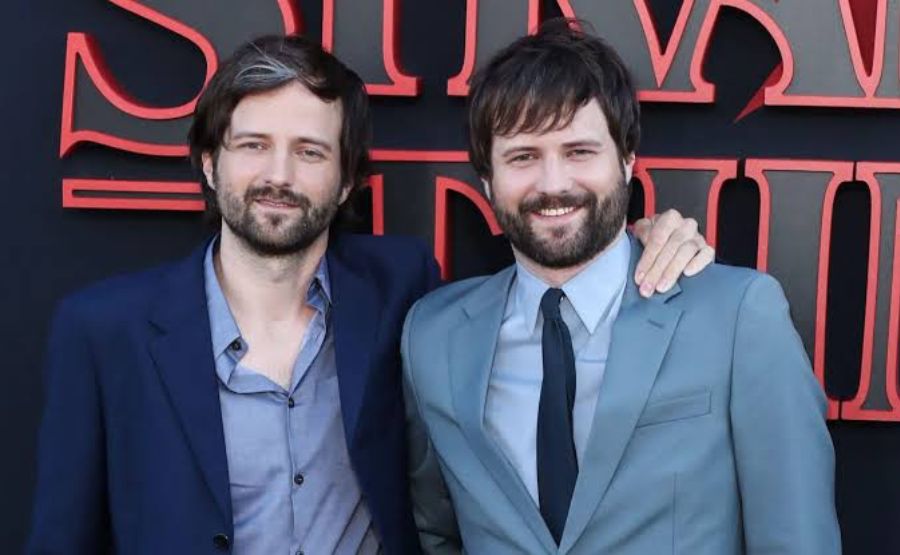
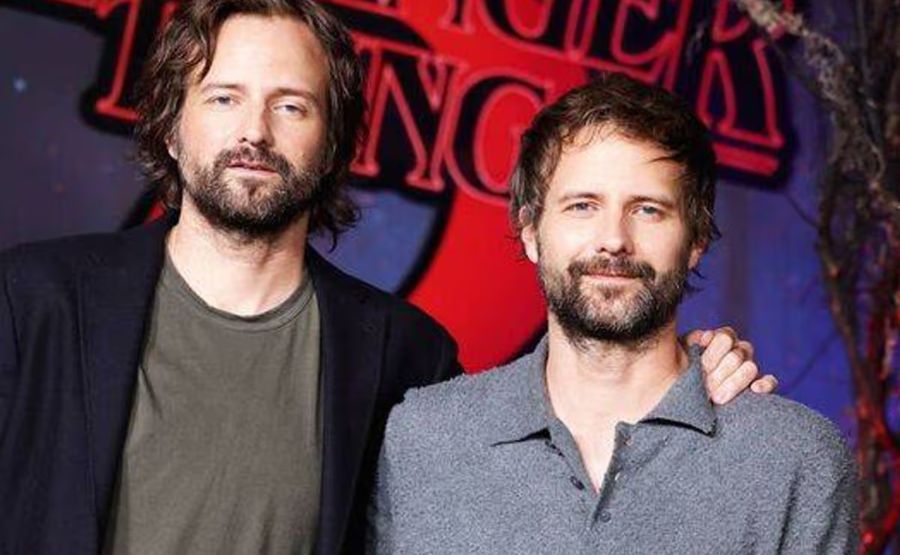
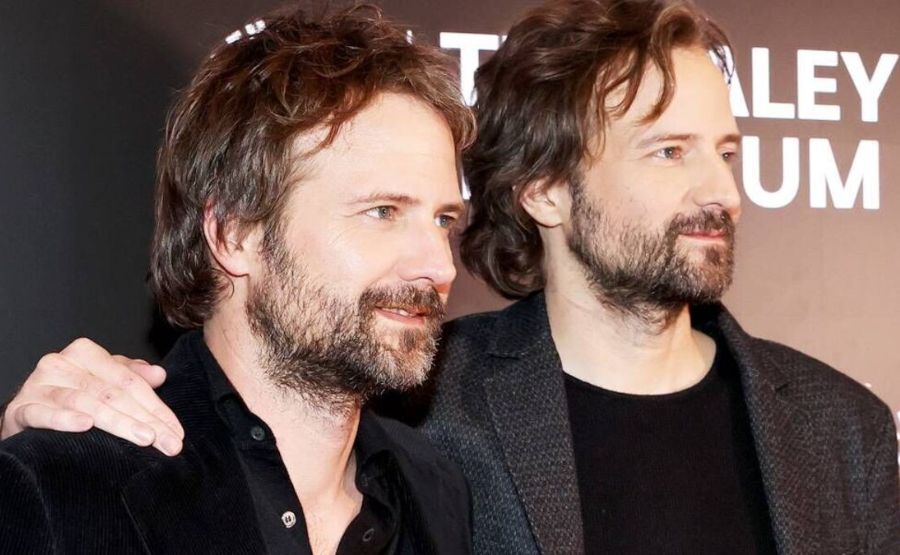
The Duffer Brothers — Matt and Ross — are identical twins who built one of the most valuable franchises in streaming history from scratch. And their combined net worth sits at roughly $80 million, with each brother estimated at around $40 million individually. That’s not nothing. That’s generational money, and they earned every dollar of it the hard way.
See also “BigXthaPlug Age: The Rise of a New Generation Icon“
Before the Upside Down, There Was Rejection
People love to skip the boring parts. The hustle. The “no” after “no” after “no.” But the Duffer Brothers’ story doesn’t make sense without the beginning.
Matt and Ross grew up in Durham, glued to VHS tapes. Not cartoons. Not Saturday morning kid stuff. These boys were watching Steven Spielberg, John Carpenter, Stephen King adaptations. Weird kids, honestly. Good kind of weird.
They went to Duke School for Children — private, small — then Charles E. Jordan High School. After that, both packed up for Chapman University in Orange, California, where they studied film at Dodge College. They graduated in 2007.
Their student film “Eater,” adapted from Peter Crowther’s short story, actually got noticed. That’s rare. Most film school projects collect dust in a drawer. Theirs opened doors.
But not immediately. Nothing opened immediately.
The Slow Grind That Nobody Talks About
They made short films. They wrote scripts. They worked their way into the industry through sheer, stubborn persistence — the kind of persistence that honestly would have broken most people within a year.
In 2015, Alexander Skarsgård starred in the post-apocalyptic psychological thriller Hidden, which was their debut feature film. Warner Bros. had actually acquired the script back in 2011. Four years between acquisition and release. That’s the film industry for you. You wait. You wait more. Then you wait again.
Around that same time, they got work writing for Fox’s Wayward Pines, penning four episodes. Solid genre TV work. Nothing that made headlines. But it taught them the rhythm of professional television — how to structure story over episodes, how to work within a production machine without losing your creative voice.
They were building. Slowly. Most people weren’t paying attention yet.
Stranger Things: The Script Netflix Almost Didn’t Make
Here’s what kills me about the Stranger Things origin story. The Duffer Brothers pitched that show to basically everyone. Over a dozen networks and studios passed on it. Passed. On. It.
Shawn Levy’s production company 21 Laps eventually backed the project and brought it to Netflix. And Netflix — god bless them for this one — said yes to something genuinely strange. A nostalgia-soaked supernatural thriller set in 1983 Indiana, featuring a bunch of unknown kids and a bald girl who barely speaks.
Stranger Things premiered on July 15, 2016. Within days, it became the most-talked-about show on the internet. By the time Season 3 dropped in 2019, Netflix reported over 40 million household accounts watched it in its first four days. That’s not a TV show anymore. That’s a cultural event.
The Money Part: From $30K an Episode to Nine Figures
You’re here for the stats, so let’s dig into them.
The Duffer Brothers weren’t exactly wealthy when Stranger Things originally debuted.
They reportedly made about $30,000 for each episode during Season 1.That’s respectable. Not transformative. As the show took off in Season 2, that amount increased to almost $250,000 per episode. That’s how Netflix operates: when something is profitable, they pay.
But the real money? That came in 2019.
Netflix renewed Stranger Things for Season 4 and simultaneously locked the brothers into a multi-year overall deal. The Hollywood Reporter described that deal as worth nine figures. Nine. Figures. That’s a minimum of $100 million, and likely significantly more. Netflix never confirmed the exact number because Netflix never confirms anything.
That deal wasn’t just salary. It reportedly included profit participation, merchandising royalties, licensing fees, and a full development arrangement for future projects. Stranger Things merchandise alone — the toys, the games, the clothing, the collaborations — generates serious revenue. The brothers get a slice of all of it.
Then in 2022, they launched their production company Upside Down Pictures — named, obviously, after the alternate dimension in the show — and re-signed with Netflix for a whole slate of new content. Death Note live-action adaptation. The Talisman series. The Boroughs. Animated spinoff Tales from ’85. This wasn’t two guys just making one show anymore. This was a full creative operation.
The Paramount Move: Leaving Netflix for the Big Screen
And then in August 2025, everything changed again.
The Duffer Brothers signed a four-year exclusive deal with Paramount — the newly merged Paramount Skydance — covering feature films, television, and streaming content. The deal kicks in April 2026 when their Netflix contract expires.
Why Paramount? They’ll tell you themselves: they want to make movies. Real movies. Big-screen theatrical releases. Matt Duffer told Variety flat out: “We only watched movies. That’s the weird thing that we ended up on TV, because we had almost zero interest in television.”
Ross echoed it, calling theatrical releases something they’d dreamed about since childhood.
The new arrangement runs through 2030, with Upside Down Pictures — led by producing partner Hilary Leavitt — handling project development. They’ll still be connected to Netflix through existing commitments like Something Very Bad Is Going to Happen and The Boroughs, which debut in 2026. And the Stranger Things franchise, including spinoffs, continues at Netflix too.
This is not a clean break. It’s a strategic expansion.
What Actually Makes Up Their $80 Million
Here’s the breakdown as best as the public record allows:
Showrunner/Creator Fees: The biggest chunk. Nine-figure deal with Netflix. Years of per-episode earnings across five seasons of Stranger Things.
Production Company Revenue: Upside Down Pictures earns from every project it produces, whether the Duffers are directly writing or just executive producing.
Merchandising & Royalties: Stranger Things has been one of the most merchandised shows in streaming history. The brothers hold profit participation rights.
Real Estate: Like most high earners in LA, they’ve put money into property. Reports indicate real estate holdings contribute meaningfully to their portfolio.
The Paramount Deal: Financial terms were not publicly disclosed, but if you’re the hottest creator duo in Hollywood signing an exclusive four-year deal with a major studio, you’re not doing it for charity.
The Controversy They’d Probably Like You to Forget
No honest article about the Duffer Brothers skips 2018.
In March of that year, a grip who worked on Stranger Things posted on Instagram that she would not return for Season 3. Her reason: the Duffer Brothers had verbally abused women on set, creating what she described as a hostile work environment.
The brothers responded, acknowledging that “tempers occasionally get frayed” in high-pressure productions. Netflix launched an investigation and concluded there was no wrongdoing.
Separately, they’d already faced criticism for allegedly pressuring teenage actress Sadie Sink into an unscripted kissing scene during Season 2. Sink herself later said she had no objection.
Did these controversies derail them? Clearly not. But they matter. Because when you’re talking about two men who wield enormous power over hundreds of production workers, the question of how that power gets used is legitimate. It’s not a smear campaign to ask for it. It’s basic accountability.
The industry moved on quickly. Sometimes it does that.
They Actually Tried to Quit TV Twice
Here’s a detail that gets lost in the Stranger Things hype. The Duffer Brothers didn’t set out to be television people. They’ve said this openly and repeatedly. They came up watching films. They wanted to make films. They ended up making what became the defining series of the streaming era almost by accident.
And even after all of it — the Emmys, the deals, the merchandise empire — they still talk about TV like they’re slightly puzzled by their own career path. Matt Duffer literally told Variety he gets “fatigued” watching 20-episode seasons.
That’s a choice statement from a guy who just spent a decade running one of the biggest serialized television franchises on the planet.
What Comes Next (And Why It Matters)
In late 2025, Stranger Things Season 5 concluded on Netflix, concluding the Hawkins saga with three final episodes that debuted on Thanksgiving, Christmas, and New Year’s Eve. Matt Duffer described Episodes 4 and 8 as “like movies.”
The spinoffs continue without them as showrunners. They’ll be involved creatively, but the day-to-day is someone else’s job now.
Meanwhile, at Paramount, their focus is theatrical originals. Not IP-first sequels. Not franchise spinoffs of existing properties. The bar they’ve set for adapting existing material is extremely high — Matt Duffer specifically called out “botched IP,” things where someone “swung and missed” and left room for someone to do it properly.
They don’t want to be prolific. They want to be precise.
Whether that instinct translates into box office success is genuinely unknown. Television and theatrical films are different beasts. But if there are two people in Hollywood right now with the creative credibility and financial backing to try something ambitious on the big screen, it’s Matt and Ross Duffer.
Final Thoughts
Look. $80 million between two brothers who started with a camera their parents bought them in third grade is remarkable. The number is real. The career is real. The cultural impact of Stranger Things is undeniable and will be studied for decades.
But what’s more interesting to me is the way they’ve consistently refused to chase the easy money. They haven’t pumped out a dozen shows a year under their production banner. They haven’t agreed to every spinoff and crossover Netflix would have happily greenlit. They walked away from arguably the most powerful creative deal in streaming history because they wanted to make movies.
Fame culture wants you to believe success is about accumulation — more deals, more shows, more projects, more money. The Duffer Brothers’ version of success looks more like focus. Fewer things, done with more care.
Whether that’s wisdom or stubbornness probably depends on whether their first Paramount movie actually works.
Either way, the story’s not over.
FAQs
1. What is the Duffer Brothers’ combined net worth in 2025?
Most credible estimates put it at around $80 million total — roughly $40 million per brother. Some sources cite figures ranging from $34 million to $200 million depending on methodology, but the $40 million per person figure from Celebrity Net Worth is the most consistently cited.
2. How much did they make per episode of Stranger Things?
They reportedly started at about $30,000 per episode in Season 1, which jumped dramatically to around $250,000 per episode by Season 2. Later seasons likely paid significantly more, especially after their nine-figure Netflix overall deal in 2019.
3. What was their Netflix deal actually worth?
The Hollywood Reporter described the 2019 overall deal with Netflix as worth “nine figures” — meaning at least $100 million. The exact number was never officially disclosed.
4. Why did the Duffer Brothers leave Netflix?
They didn’t leave dramatically. Their overall deal expired in April 2026, and they chose not to renew. Instead, they signed a four-year exclusive deal with Paramount starting the same month, primarily to pursue large-scale theatrical films, something their Netflix arrangement didn’t prioritize.
5. What is Upside Down Pictures?
It’s the production company Matt and Ross Duffer launched in 2022, named after the alternate dimension in Stranger Things. It’s run day-to-day by president and producing partner Hilary Leavitt. It handles all their projects.
6. Are the Duffer Brothers billionaires?
No. Not even close. $40 million each is significant wealth, but billionaire status requires a completely different scale of ownership, investment, or business operation.
7. What other projects do they have beyond Stranger Things?
Under their Netflix deal they have The Boroughs (supernatural drama), Something Very Bad Is Going to Happen (atmospheric horror), Death Note live-action series, and The Talisman adaptation. They’re also involved in Stranger Things spinoffs as producers. Their Paramount deal will bring original theatrical films.
8. Did the Duffer Brothers face any workplace controversies?
Yes. In 2018, a crew member publicly accused them of verbally abusing women on the Stranger Things set. The brothers apologized for any stress caused by production pressures. Netflix investigated and found no wrongdoing. The allegations didn’t end their careers but remain part of the public record.
9. Where did the Duffer Brothers grow up and go to school?
Durham, North Carolina. They attended Duke School for Children (K-8), then Charles E. Jordan High School. For film school, they both went to Chapman University’s Dodge College of Film and Media Arts in California, graduating in 2007.
10. What was their first professional project before Stranger Things?
They wrote and directed Hidden (2015), a post-apocalyptic psychological thriller for Warner Bros. starring Alexander Skarsgård. Before that they worked as writers on Fox’s Wayward Pines (2015-2016).
11. Do the Duffer Brothers have other income sources beyond TV?
Yes — merchandise royalties from the Stranger Things brand, real estate investments, production fees from shows they executive produce without directly writing, and the forthcoming Paramount deal revenue.
12. What’s their long-term financial outlook?
Strong, by any measure. The Paramount deal runs through 2030. Stranger Things spinoffs continue generating royalties. Their production company has multiple shows in the pipeline. The main variable is whether their move into theatrical films succeeds commercially — that’s genuinely unproven territory for them.
Keep discovering, connecting, and thriving with The Nexus Magazine every day.