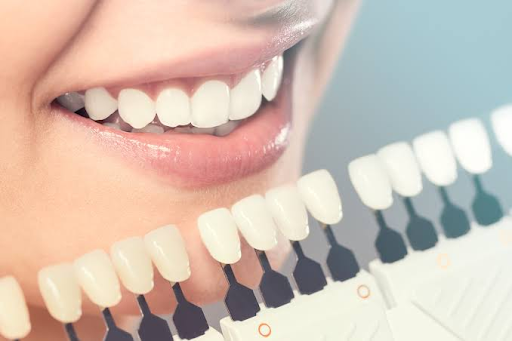

A confident smile can shape how people see themselves and how others perceive them. Over the years, dental treatments aimed at improving the appearance of teeth have grown far beyond simple whitening. Today, patients want results that look effortless, as if they were born with a flawless smile rather than one that appears artificial or overdone.
This shift in expectations has changed the way dental professionals approach smile improvement, focusing on subtlety, balance and harmony with a person’s natural features.
Understanding Cosmetic Dentistry
Cosmetic dentistry refers to a range of dental procedures designed to enhance the appearance of teeth, gums and overall smile, while still preserving healthy function. Unlike restorative treatments that focus mainly on repairing damage, this branch of dentistry blends art and science to create a smile that looks pleasing and proportionate.
Common procedures include teeth whitening, porcelain veneers, dental bonding, gum contouring and orthodontic alignment. The goal is not to give everyone the same bright, uniform smile, but to enhance what is already there in a way that suits each individual’s face shape, skin tone and personality.
Why Natural Results Matter
There was a time when a “perfect” smile meant blindingly white, perfectly straight teeth that looked almost identical from patient to patient. Many people now find this look unappealing, describing it as fake or overly polished.
A natural looking smile, on the other hand, respects slight variations in tooth shape, size and shade, which is exactly how real teeth appear. Dentists who prioritize natural results often study a patient’s lips, gum line and facial symmetry before recommending any treatment, ensuring the outcome complements the person rather than standing out as obviously “done.”
Popular Treatments That Deliver Subtle Results
Teeth Whitening
Whitening remains one of the most requested treatments because it is simple, affordable and effective. Professional whitening lightens teeth several shades without altering their shape, which keeps the result looking authentic. Dentists usually recommend a shade that complements the patient’s skin tone, avoiding an unnaturally stark white that can draw unwanted attention.
Porcelain Veneers
Veneers are thin shells bonded to the front of teeth to correct issues like chips, gaps or discoloration. When crafted with attention to detail, veneers can mimic the translucency and slight texture of real enamel. Skilled technicians often layer different shades of porcelain to replicate how light passes through natural teeth, resulting in a smile that looks convincingly real rather than uniform and glassy.
Dental Bonding
Bonding uses a tooth colored resin to repair minor imperfections such as small chips or gaps. Because the material can be shaped and polished by hand, it offers dentists the flexibility to match the exact contour of surrounding teeth. This makes bonding a popular choice for quick, subtle corrections that blend seamlessly into an existing smile.
Gum Contouring
Sometimes the issue is not the teeth themselves but the gum line. Uneven or excessive gum tissue can make teeth appear shorter or misshapen. Gum contouring reshapes the gum line to create better proportion, often making a bigger visual difference than people expect, all while looking like a completely natural feature of the mouth.
Clear Aligners
Crooked or crowded teeth can affect the overall symmetry of a smile. Clear aligners gradually shift teeth into better alignment without the visible metal brackets associated with traditional braces. Because the trays are transparent, patients can straighten their teeth discreetly, and the final result tends to look like a smile that was simply always well aligned.
The Role of Personalized Planning
Achieving results that look natural requires more than technical skill. It requires careful planning tailored to each patient. Many dentists now use digital imaging and smile design software to preview outcomes before any procedure begins. This allows both the dentist and patient to make adjustments, such as tweaking tooth length or shade, until the design feels right.
Facial analysis also plays a role, since factors like lip line, jaw structure and even age can influence what looks most authentic for a particular person. A treatment plan that works beautifully for one patient might look out of place on another, which is why personalization is so important.
Choosing the Right Provider
Not every dental professional approaches smile enhancement the same way. Patients seeking subtle, realistic results should look for a provider with a strong portfolio of before and after photos, particularly cases similar to their own.
Reading reviews, asking about the materials used and understanding the dentist’s philosophy toward smile design can help set realistic expectations. A good provider will take time to listen to what the patient wants, explain the pros and cons of each option and avoid pushing treatments that do not suit the individual’s features.
Maintaining Results Over Time
Once a smile has been enhanced, maintaining it is just as important as the initial treatment. Good oral hygiene, regular dental checkups and avoiding habits like smoking or excessive consumption of staining beverages can help preserve the appearance of whitening and bonding work.
Veneers and bonded teeth should be cared for gently, since abrasive brushing or grinding can wear down their surface over time. Routine visits also allow the dentist to catch any minor issues early, keeping the smile looking fresh and natural for years to come.
Conclusion
A beautiful smile does not have to look artificial to make an impact. With thoughtful planning, skilled hands and attention to individual features, cosmetic dentistry can produce results that feel like a natural extension of who a person already is.
Whether through simple whitening, carefully crafted veneers or subtle alignment correction, the best outcomes are the ones that blend seamlessly into daily life, leaving people with a smile they feel comfortable sharing with the world.