
Quick Bio
| Detail | Info |
| Full Name | Jenny Lee Arness |
| Born | May 23, 1950 — Los Angeles, California |
| Died | May 12, 1975 — Malibu, California |
| Age at Death | 24 (11 days before her 25th birthday) |
| Father | James Arness (Marshal Matt Dillon, Gunsmoke) |
| Mother | Virginia Chapman (actress, businesswoman) |
| Brothers | Craig Aurness (photographer), Rolf Aurness (World Surfing Champion, 1970) |
| Uncle | Peter Graves |
| Known For | Gunsmoke appearances (1964) |
| Education | Beverly Hills Secondary School; studied in Switzerland |
| Buried | Forest Lawn Memorial Park, Glendale, California |
She Wasn’t Famous. That’s Exactly Why Her Story Matters.
Nobody’s writing Jenny Lee Arness into the history books. No museum exhibit. No biopic in development. She showed up in two episodes of her dad’s show when she was fourteen, and then Hollywood just… moved on.
But wait. Stop right there.
Because the real question isn’t what Jenny achieved. It’s what she was handed — and what it did to her.
See also “Lexie Wiggly: The Woman Who Said “No Thanks” to Fame — And Won“
Born Into the Shadow of a Giant
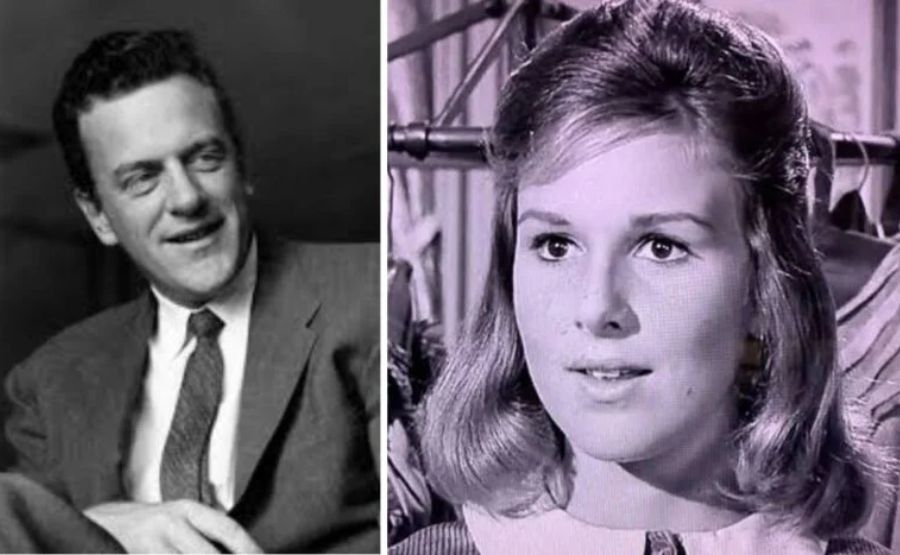
From the moment she arrived, Jenny Lee Arness was surrounded by Hollywood. Her father James Arness was a towering figure both literally and figuratively. The man stood 6’7″. He was Gunsmoke. For twenty years, he was the American West on television.
Imagine being that man’s daughter. Just sitting with that for a second.
Jenny was born on May 23, 1950, at Good Samaritan Hospital in Los Angeles. Her mother Virginia Chapman was an actress too — not as famous, but she had her own career, her own spine. They’d met at theater school, married in 1948, and Virginia already had a son, Craig, whom James adopted.
So right away, this family is complicated. Blended. Real. Not the perfect Hollywood postcard people imagined.
Her Mom Was Underrated. Let’s Say That Out Loud.
People always talk about James. Always. But Virginia Chapman deserves her own paragraph.
Virginia appeared in productions like Highway Patrol and Whirlybirds. She eventually stepped away from acting and opened a motel called Oasis, where she built a quieter life running her own business. That’s a woman who reinvented herself. Not waiting around for Hollywood to notice her.
Jenny once described being at the motel as having “never a dull moment,” and genuinely loved hanging around the place. Think about that — the daughter of a TV legend finding joy at her mom’s roadside motel. That’s not the kid of someone obsessed with fame.
The Divorce Nobody Talks About
James was busy building his career and had little time for family. By 1963, the couple had split.
James got custody. Both boys and Jenny went with him.
That meant Jenny spent most of her childhood without her mother. And honestly? That has to leave a mark. Doesn’t matter how rich you are or how famous your dad is. A thirteen-year-old girl losing daily access to her mom hits differently.
People in 1963 didn’t talk about that stuff. You just got on with it. And sometimes that bottled grief becomes something else entirely, years later.
Two Episodes and a Lot of Expectations
In 1964, Jenny appeared in two episodes of Gunsmoke — “Aunt Thede” and “The Glory and the Mud.” She played Amy in one, Laurie in another. Minor roles. Easy to miss if you blinked.
But here’s what nobody says: she was fourteen. Fourteen, walking onto her famous father’s set, performing in front of his cast and crew. That requires a particular kind of guts.
She didn’t actually want to become a full-time actress. And you know what? Good for her. Not every child of Hollywood needs to chase the same dream their parents chased. The pressure to follow that path must have been suffocating regardless.
Switzerland, Then What?
After high school, Jenny went to Switzerland for further studies. Nobody knows much about that chapter. The details are thin. She came back. She tried. She looked for her own identity.
That Swiss detour is actually kind of fascinating. Was it an escape? A reset? Or just a rich-family tradition? Hard to say. But a girl who could have stayed in LA and coasted on her last name chose to go somewhere entirely different.
That tells you something about who she was.
Gregg Allman: The Relationship That Broke Something
Okay. Here’s where things get real.
In 1972, Jenny began a relationship with rock musician Gregg Allman of the Allman Brothers Band. That relationship — turbulent, passionate, probably consuming — became one of the defining things of her short adult life.
When Allman moved on to a relationship with Cher, Jenny was reportedly devastated. And look — Cher. Of all people. Watching the guy you loved parade around on television with one of the most famous women on the planet? That’s not a small wound.
Reports suggest Jenny was watching TV programs where Allman appeared with his new partner, and this intensified her already declining emotional state in her final days.
This is where the fame-culture machine gets genuinely ugly. A private heartbreak becomes a public spectacle. You can’t even grieve in peace because the person who hurt you is everywhere — magazine covers, TV screens, radio stations.
After Jenny’s death, James Arness personally reached out to Gregg Allman to assure him that Jenny’s mental health struggles predated their relationship, and that Allman bore no responsibility for what happened. That’s a father doing something quietly decent in the worst moment of his life.
The Mental Health Picture Nobody Could See Clearly
Reports suggest Jenny struggled with a mental health condition believed to be schizophrenia — characterized by hallucinations, delusions, and severe disruptions in thought. Though this was never officially confirmed.
The 1970s were brutal for mental health. Especially in Hollywood, where keeping up appearances was practically a job requirement. Mental health was an extremely stigmatized issue at the time, and Jenny could hardly receive appropriate help.
So here’s a young woman — dealing with possible psychosis, a broken heart, a famous father whose shadow she couldn’t escape, a mother she missed — and the culture around her basically said: smile and get on with it.
That’s not a personal failure. That’s a systemic one.
May 12, 1975. Eleven Days Before Her Birthday.
Jenny Lee Arness passed away on May 12, 1975, just eleven days before her 25th birthday.
She was found in her Malibu home. Her death was from an overdose of sleeping pills, viewed as intentional.
She left behind a note. Among the words written in it: “Tell Gregg I love him.”
That single line. Think about what that means. At the very end, in whatever state she was in, her thoughts went to someone who had already moved on. That’s not a weakness. That’s just how deep some pain actually goes.
She was buried at Forest Lawn Memorial Park in Glendale, California. Quietly. Privately. The way she’d mostly lived.
The Family After
James Arness never spoke publicly about losing Jenny. Not once that anyone recorded. Friends said he carried that pain until the very end of his life.
Two years after Jenny’s death, in 1977, her mother Virginia Chapman also died from an overdose of sleeping pills. That one was ruled accidental. Mother and daughter, both gone within two years, both from overdoses. The Arness family carried grief that no amount of TV success could touch.
Rolf became a champion surfer and later stepped away from public life entirely. Craig worked as a photographer and co-founded a stock photo agency before passing away in 2004.
A whole family quietly absorbing loss after loss. While America watched James Arness play the hero on screen.
What Fame Actually Does to Kids
Here’s my actual opinion — and I don’t apologize for it.
Hollywood sells this idea that celebrity families are blessed. Golden lives, beautiful homes, instant opportunities. And sure, Jenny had those things. Beverly Hills school. Switzerland education. A famous dad who probably opened every door.
But nobody talks about what gets taken in exchange. The constant comparison. The absent parent chasing the next role. The divorce nobody handles well. The identity crisis that comes from being someone’s child before you’re even someone yourself.
Jenny never got to figure out who she was outside of “James Arness’s daughter.” That’s the tragedy buried inside the tragedy.
Final Thoughts
People file Jenny Lee Arness under “tragic Hollywood tale” and move on. That’s lazy. That’s wrong.
This is a story about a young woman who needed real support — consistent, sustained, stigma-free mental health care — and didn’t get it. Because the culture said no. Because the era said no. Because being the daughter of somebody famous meant everyone assumed you were fine.
She wasn’t fine. And nobody around her knew how to see that clearly enough, soon enough.
Sometimes the quietest people are hurting the most. Jenny proves that point in the most heartbreaking way possible.
Remember her for more than two Gunsmoke episodes. Remember her as a person who deserved better from the world she was born into.
FAQs
1. Who exactly was Jenny Lee Arness?
The only daughter of Gunsmoke legend James Arness and actress Virginia Chapman. Born 1950, died 1975. I am twenty-four years old. Two TV appearances. A whole private life most people never knew existed.
2. Did she actually have an acting career?
Technically yes, but barely. Two episodes of Gunsmoke in 1964, a couple of minor film appearances. She reportedly didn’t want a full-time acting career. That was her choice, not her failure.
3. What was her relationship with her father like?
Complicated in the way all father-daughter relationships are complicated when the father is one of the most famous men on television. He raised her after the divorce. He reached out to Gregg Allman after her death. He grieved silently for the rest of his life. That’s love. Imperfect, quiet love.
4. What happened with Gregg Allman?
They dated in the early 1970s. Allman moved on. He later became publicly involved with Cher. Jenny reportedly saw them together on TV. Her suicide note reportedly mentioned his name. Allman was reportedly told by James Arness that he wasn’t to blame.
5. Did Jenny struggle with mental illness?
Multiple sources point to serious mental health struggles, with some suggesting possible schizophrenia. Nothing was officially diagnosed or publicly confirmed. What’s clear is that she suffered, and the era she lived in offered very little real help.
6. How did she die?
Overdose of sleeping pills, ruled a suicide, on May 12, 1975 — eleven days before she would have turned 25. She was found at her home in Malibu.
7. What was written in her note?
Reports across multiple sources mention she expressed love for Gregg Allman. Some sources mention she expressed sorrow toward loved ones. The full contents were never made public.
8. Where is she buried?
Forest Lawn Memorial Park in Glendale, California — the same cemetery that holds many of Hollywood’s most iconic names.
9. What happened to her mother Virginia after Jenny’s death?
Virginia Chapman died two years later, in 1977, from a sleeping pill overdose. It was ruled accidental. Two women from the same family, gone in almost identical circumstances within two years of each other.
10. Did James Arness ever talk about Jenny publicly?
No. He was known as a deeply private man, and the loss of his daughter was something he carried entirely out of public view. Friends confirmed it stayed with him permanently.
11. What is her brother Rolf known for?
Rolf Aurness became the World Surfing Champion in 1970 — a genuinely remarkable achievement. He later stepped away from the public entirely and lived privately.
12. Why does Jenny Lee Arness still get searched and written about today?
Because her story is uncomfortably real. It cuts through the Hollywood gloss and shows what actually happens when a person doesn’t get the support they need. That’s timeless. And honestly, kind of haunting.
Keep discovering, connecting, and thriving with The Nexus Magazine every day.