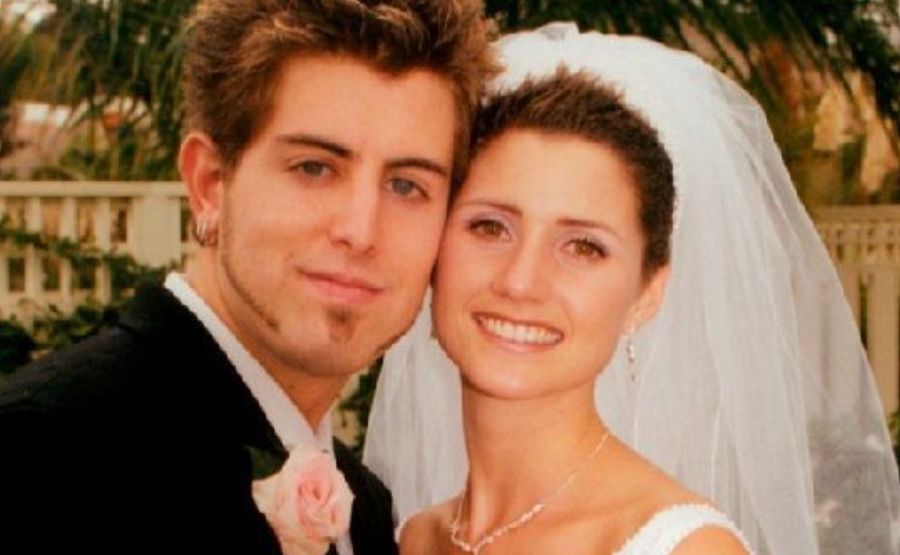
Jeremy Camp First Wife Melissa Lynn Henning-Camp: She Lived 21 Years, Was Married 3 Months, and Changed Millions of Lives

You’ve probably heard “I Still Believe” on Christian radio a hundred times. Maybe you cried during the movie. Maybe you sang it in church without really knowing the story behind it.
Here’s what you should actually know: that song was written two weeks after a 21-year-old woman was buried. By a 23-year-old man sitting alone with his grief and his guitar. And the woman who inspired it had already told him — from a hospital bed — that her suffering would be worth it if even one person came to know Jesus.
One life. That’s all she asked for. She got millions.
Quick Bio
| Detail | Info |
| Full Name | Melissa Lynn Henning-Camp |
| Born | October 7, 1979 — Southern California |
| Died | February 5, 2001 — Age 21 |
| Cause of Death | Ovarian cancer (returned post-honeymoon, spread throughout body) |
| Mother | Janette Henning — pastor’s wife, author, Bible study teacher |
| Stepfather | Mark Henning |
| Siblings | Heather Dalton Henning, Megan Henning + one other |
| Married | Jeremy Camp — October 21, 2000 |
| Marriage Duration | ~3.5 months |
| Children | None |
| Songs She Inspired | “Walk by Faith,” “I Still Believe” |
| Film Portrayal | Britt Robertson in I Still Believe (2020) |
| Book | Melissa, If One Life… — journals compiled by Janette Henning |
| Known For | Faith under terminal illness, inspiring Jeremy Camp’s entire early career |
She Wasn’t Famous. She Was Just Extraordinary.
First, let’s take care of something. Melissa Henning didn’t want to be known. She wasn’t angling for influence or building a platform. She was a girl from Southern California who worked as a preschool teacher’s assistant, sang on worship teams, journaled her prayers to God, and played JV basketball.
That’s the whole résumé. Ordinary life. Extraordinary interior.
She was born October 7, 1979, to Janette Henning — a deeply devout woman who emerged from the Jesus Movement of the 1970s. Her biological father’s identity has never been publicly shared. Her mother later married Mark Henning, and together they work as real estate agents in San Diego County, living in the beach community of Encinitas, California.
Melissa grew up with her sisters Heather and Megan in a home anchored by faith. Her mom wasn’t casually religious — Janette was a women’s minister, a Bible study teacher, a pastor’s wife and church planter. That environment shapes a person whether they choose it or not. Melissa chose it, hard, with everything she had.
The Bible Study. The Moment Jeremy Saw Her. And the Complication Nobody Talks About.
Here’s how they met. 1999. California’s Calvary Chapel Bible College is located in Murrieta. Jeremy Camp was leading worship at a campus Bible study. He was 22. She was 20. He looked up from the stage mid-song and saw her in the congregation, hands completely raised, totally locked in — not performing worship, actually doing it.
He described it later: she was completely unaware of anyone around her. Just her and Jesus. That was it for him.
They connected after the session, started getting close and started building something. And then it got complicated — there’s reportedly a brief love triangle situation involving a mutual friend who had introduced them. It got messy enough that Melissa ended both friendships. She didn’t want distraction from what she felt God had planned for her.
That breakup broke Jeremy. He went back to Indiana. They lost contact.
Then a phone call changed everything.
The Diagnosis. And What She Said From the Hospital Bed.
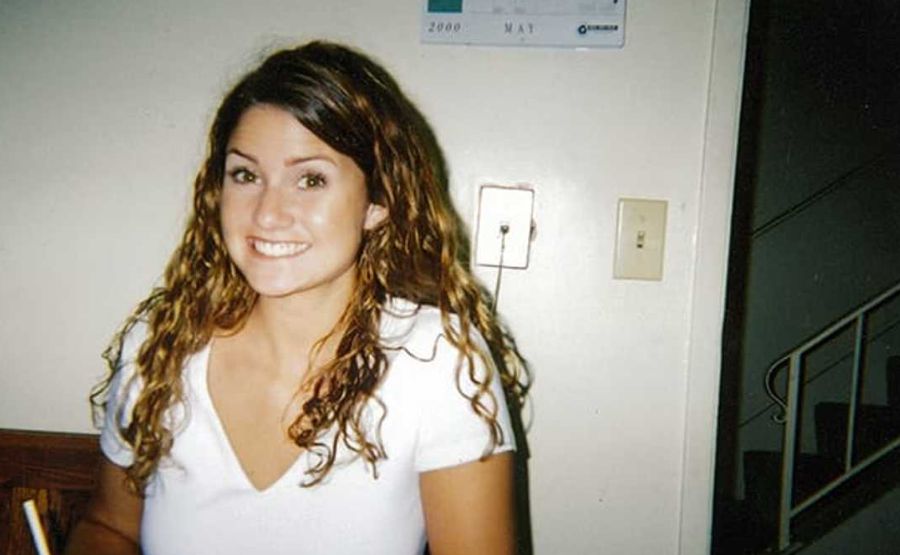
Jeremy got word that Melissa was in the hospital. He went immediately. When he walked into that room, he found out she’d been diagnosed with ovarian cancer — already in late stages, already spread throughout her abdomen, already in her liver.
She looked at him and said something that apparently stopped the air in the room. She told him that if her death brought even one person to Jesus, all of it would be worth it. Every bit of pain. Worth it.
That sentence wasn’t a coping mechanism she’d assembled in the moment. It was a conviction she’d been living out in her journal entries for years. Her mother’s book — Melissa, If One Life… — draws directly from those journals, and the texture of her faith runs through every page.
Jeremy made a decision right there. He stayed. Not as a brave, noble gesture. He just genuinely couldn’t leave. He asked his concert audiences to pray for her. The community prayed. And then something unexpected happened.
The Cancer Disappeared. Completely. Before the Wedding.
The reason this section sounds cinematic is that it was.
Approximately two months before the planned wedding, a scan found a new tumor. Surgery was scheduled. Doctors went in — and found nothing. No tumor. Nothing.
The wedding went forward. October 21, 2000. Not a beach ceremony like the film shows — in real life, they married in a church, officiated by Jeremy’s father Tom Camp, pastor at Harvest Chapel in Lafayette, Indiana.
She was 21. He was 23. They believed in miracles because they’d just watched one happen.
The Honeymoon. And the Return That Broke Everything.
They honeymooned in Oahu, Hawaii — Melissa’s favorite place in the world. And Jeremy, being a songwriter who can’t stop being a songwriter even on vacation, wrote “Walk by Faith” during those days. The irony of writing that particular song on a honeymoon during a cancer reprieve is almost too on the nose. But that’s the reality.
When they came home, Melissa had stomach pain.
The doctors ran tests. The cancer was back — and this time it wasn’t contained anywhere. It had moved through her entire body. There was nothing more to be done in terms of medicine. They told her she had weeks to months.
Her response to that news is what people still quote. She didn’t rage. She didn’t fall apart. She received it with what everyone present described as genuine peace, and then she started thinking about other people again. About who might hear her story. About one life. Always one life.
Jeremy’s response was different. He was 23, watching his brand-new wife die, and he didn’t have that supernatural calm. By his own admission in interviews, he threw his Bible across a room at one point. He screamed at God. He fell apart the way a young man falls apart when the world removes something he can’t stand to lose.
Both of those responses were real. Neither cancels the other out.
She Spent Her Last Days Doing What She’d Always Done
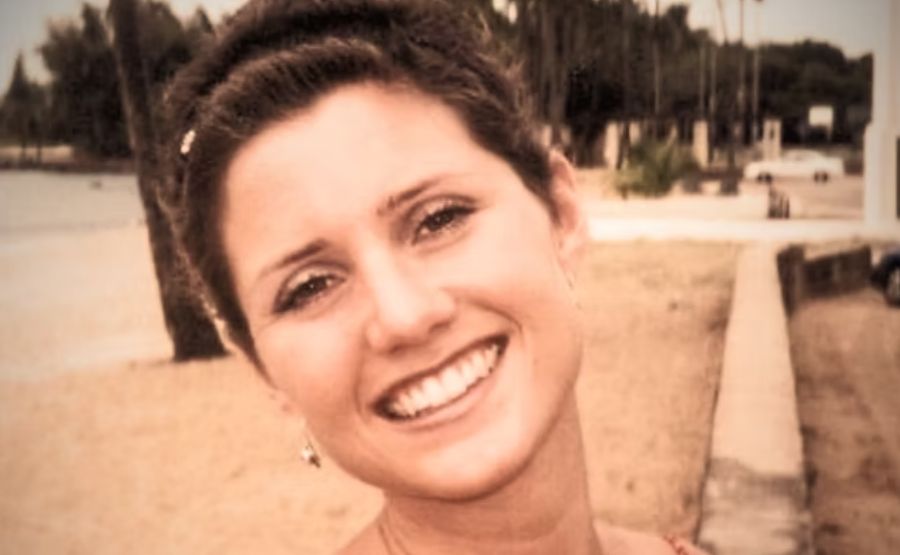
Melissa Lynn Henning-Camp died on February 5, 2001. She was 21 years old.
By multiple accounts from people in that room, she spent her final hours in worship. Not in despair. Not bargaining. Praising.
Her daughter — well, she had no children, the marriage was too short and her body too sick. But her spiritual legacy? That’s a different conversation.
Jeremy buried her. He picked up a guitar two weeks later. He wrote “I Still Believe.” And he meant every syllable.
The Songs. Let’s Talk About What She Actually Produced.
“Walk by Faith” — written on a honeymoon in Hawaii while uncertainty hung over everything.
“I Still Believe” — first song he composed after her funeral. Raw, real, and eventually one of the most played Christian songs of the early 2000s.
Those two tracks launched Jeremy Camp’s career in a genuine way. His debut album Stay in 2002 opened with that grief-soaked faith, and listeners felt something authentic because it was authentic. You can’t manufacture that kind of pain and that kind of hope existing simultaneously.
Jeremy has sold over five million albums. Five Grammy nominations have orbited his career. He’s topped Billboard Christian charts repeatedly. And the foundation of nearly all of it traces back to a 21-year-old woman who died in February 2001.
The Movie, the Book, and the Question of Representation
I Still Believe released in March 2020. KJ Apa played Jeremy. Britt Robertson played Melissa. It’s a sincere film — not exploitative, not sensationalized, genuinely trying to honor what happened.
Is it perfectly accurate? No. The beach wedding never happened. Some events are compressed for cinematic pacing. The tumor-disappearing surgical story is real, but the film’s timeline handles it differently. These are normal creative decisions for biographical films. They don’t misrepresent Melissa’s character, just some logistical details.
The more complete picture of Melissa exists in Melissa, If One Life… — the book her mother Janette compiled from Melissa’s unedited journal entries. Jeremy wrote the foreword. The book has reportedly been life-changing for people who’ve read it, particularly women wrestling with illness, loss, or faith in hard seasons.
Melissa’s journals, by all accounts, are extraordinary. She wrote with clarity and intimacy about God in a way that reads less like religious obligation and more like correspondence with someone she deeply loved.
What Happened to Jeremy After
Two years after burying Melissa, Jeremy Camp married Adrienne Liesching in December 2003 — formerly the lead singer of South African Christian band The Benjamin Gate. Adrienne had heard Melissa’s story before meeting Jeremy and said it had profoundly affected her.
They have three children together. Jeremy has spoken openly about how losing Melissa shaped the way he approaches his marriage to Adrienne — how ordinary moments feel precious specifically because he’s experienced losing someone without warning.
That’s the texture grief leaves behind. It doesn’t disappear. It changes the way you hold things.
What Melissa’s Mother Has Built in Her Name
Janette Henning didn’t fold quietly after losing her daughter. She’s spent the years since Melissa’s death actively preserving and sharing Melissa’s story — through speaking, writing, and the ongoing website dedicated to Melissa’s journals and legacy.
The devotional journal based on Melissa’s writings — titled Craving Intimacy with God — carries Melissa’s voice into rooms her body never reached. Her mother describes her daughter’s journals as having been directed by the Holy Spirit. Whether you share that belief or not, the journals by all accounts carry unusual depth for a 21-year-old.
One life. That was the prayer. Janette has made sure it reached millions.
Final Thoughts
Here’s my actual take on why Melissa Lynn Henning-Camp still gets searched, still gets read about, still makes people cry in movie theaters two decades after her death.
She never tried to be famous. She never curated a public image. She kept journals for herself and for God, and they weren’t meant for an audience. The authenticity of what she left behind is precisely because she wasn’t performing for anyone.
We live in a moment where everyone is building a brand off their worst moments. Where tragedy gets turned into content, grief gets monetized, and suffering gets aestheticized for engagement. Melissa did none of that. She was sick, she was dying, she was 21, and she spent that time thinking about other people.
That kind of life doesn’t age. It doesn’t get stale. It doesn’t feel cynical when you look at it. And in 2026, when everything feels performed and curated and hollow — a person who just quietly meant what they said hits differently.
She asked for one life to be changed. She got millions. And she never knew it was coming.
FAQs
1. Who was Jeremy Camp’s first wife?
Melissa Lynn Henning-Camp, born October 7, 1979, in Southern California. She died February 5, 2001, at age 21 from ovarian cancer — just three and a half months after marrying Jeremy.
2. How did Jeremy Camp and Melissa meet?
In 1999 at a Bible study at Calvary Chapel Bible College in Murrieta, California. Jeremy was leading worship on stage and spotted Melissa completely absorbed in worship in the congregation. He described it as seeing someone who was completely focused on Jesus, not on being seen.
3. Did Melissa’s cancer go into remission before the wedding?
Yes. Approximately two months before the wedding, a scan found a new tumor, surgery was scheduled, and when doctors went in — there was nothing there. The tumor was gone. The wedding proceeded. Cancer returned after the honeymoon.
4. Where was their actual wedding held?
In a church in Lafayette, Indiana — not on a beach as depicted in the film. Jeremy’s father, Tom Camp, a pastor, officiated the ceremony.
5. When did they marry and how long did it last?
They married October 21, 2000, and Melissa died February 5, 2001. Approximately three and a half months.
6. What songs did Jeremy Camp write about Melissa?
“Walk by Faith” was written during their honeymoon in Hawaii. “I Still Believe” was written approximately two weeks after her death. Both tracks anchored his debut album and launched his career.
7. Did they have any children?
No. The marriage was too short and Melissa’s illness made it impossible.
8. Who plays Melissa in the movie I Still Believe?
Actress Britt Robertson. KJ Apa plays Jeremy Camp in the 2020 film.
9. What is Melissa’s famous quote?
She’s most remembered for saying: “If just one life comes to know Jesus through what I go through, it will all be worth it.” She said versions of this throughout her illness — in the hospital, after the cancer returned, and in her journals.
10. Is there a book about Melissa?
Yes — Melissa, If One Life… compiled by her mother Janette Henning from Melissa’s personal journal entries. Jeremy Camp wrote the foreword. A companion devotional journal, Craving Intimacy with God, was also published.
11. Who is Melissa’s mother and what has she done since?
Janette Henning — now Janette Henning-Mark — is a pastor’s wife, author, Bible study teacher, and women’s minister. She has devoted significant time since Melissa’s death to sharing her daughter’s story, journals, and legacy through speaking and writing.
12. Who did Jeremy Camp marry after Melissa?
Adrienne Liesching, a South African Christian singer and former lead vocalist of The Benjamin Gate. They married in December 2003 and have three children together.
13. How did Melissa’s story affect Jeremy Camp’s music career?
It formed the entire foundation of his early catalog. Over five million albums sold, multiple Billboard chart-toppers, Grammy nominations — all of it grew from music he wrote while sitting with Melissa’s illness and processing her death. He’s said he could not have written what he wrote without living what he lived.
Keep discovering, connecting, and thriving with The Nexus Magazine every day.